Introduction
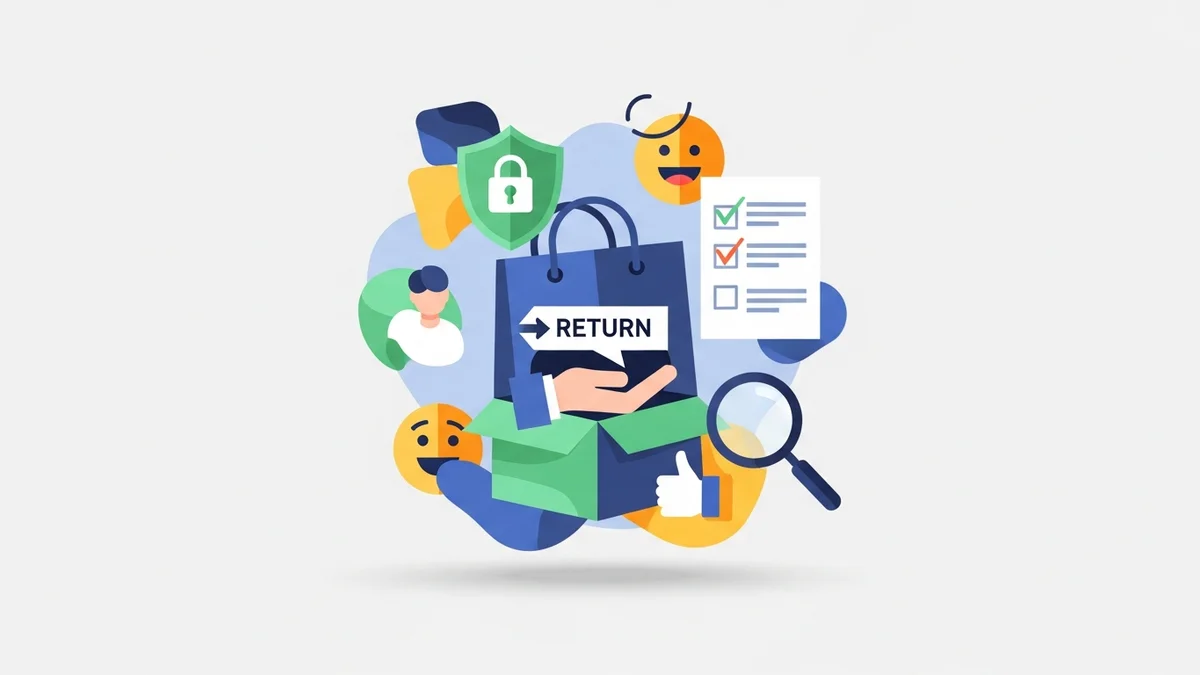
Returns are a part of doing business, especially in the world of online retail. While no store owner enjoys processing a return, the way you handle them can significantly impact your customers' perception of your brand. A clear, fair, and easy-to-understand returns policy doesn't just protect your business; it actively builds trust and encourages repeat purchases.
Many WooCommerce store owners view returns as a burden or a cost centre. However, with the right approach, your returns policy can become a powerful tool for customer loyalty. This guide will walk you through the essential steps to create a returns policy that not only protects your margins but also enhances your customer experience and fosters confidence in your brand.
Why a Clear Returns Policy Matters
Think of your returns policy as a safety net for your customers. Knowing they have options if something isn't quite right removes a significant barrier to purchase. This confidence translates directly into several business benefits for your WooCommerce store.
- Builds Customer Trust: Transparency about returns signals honesty and reliability. Customers feel more secure buying from a store with a visible and understandable policy.
- Reduces Customer Service Inquiries: A well-written policy answers common questions upfront, saving your team time and allowing them to focus on more complex issues.
- Minimizes Disputes and Chargebacks: Clear rules help prevent misunderstandings that can lead to costly payment disputes or negative reviews.
- Increases Conversion Rates: Shoppers are more likely to complete a purchase if they feel confident about the return process should they need it. It removes purchase anxiety.
- Enhances Brand Reputation: A fair and customer-friendly policy creates positive word-of-mouth and strengthens your brand's image as reliable and customer-centric.
Essential Components of a Trust-Building Returns Policy
To create a truly effective returns policy, you need to cover all the bases. Each component plays a vital role in setting clear expectations for your customers and your business. Here are the key elements you must include:
- Return Window: Clearly state how many days customers have from the purchase or delivery date to initiate a return. Common periods range from 14 to 60 days.
- Condition of Items: Specify the required condition for returned items. For example, "must be unused, unworn, unwashed, and in original packaging with all tags attached."
- Items Not Eligible for Return: Identify any products that are final sale or cannot be returned due to hygiene, customization, or digital nature (e.g., personalized items, swimwear, downloadable products, gift cards).
- Return Shipping Costs: Detail who is responsible for return shipping fees. Will the customer pay, will your store cover it, or is it a shared cost?
- Refund, Exchange, or Store Credit: Outline the options available to customers once a return is processed. Will they receive a full refund, an exchange for a different item, or store credit?
- Process for Initiating a Return: Provide clear, step-by-step instructions on how customers should start a return. This often involves contacting customer service, filling out a form, or using a returns portal.
- Processing Time for Refunds/Exchanges: Set expectations for how long it will take for customers to receive their refund or exchange after the returned item is received and inspected.
- Contact Information: Make it easy for customers to reach you if they have questions about the returns process.
Step-by-Step Guide to Creating Your WooCommerce Returns Policy
Now, let's put these components together and craft a returns policy specifically for your WooCommerce store. Follow these steps to ensure your policy is comprehensive, clear, and customer-focused.
Step 1: Define Your Core Philosophy
Before you write a single word, decide what kind of returns experience you want to offer. Are you aiming for a very generous, "no questions asked" policy to maximize trust, or a more balanced approach that prioritizes protecting your margins? Your philosophy will guide all subsequent decisions.
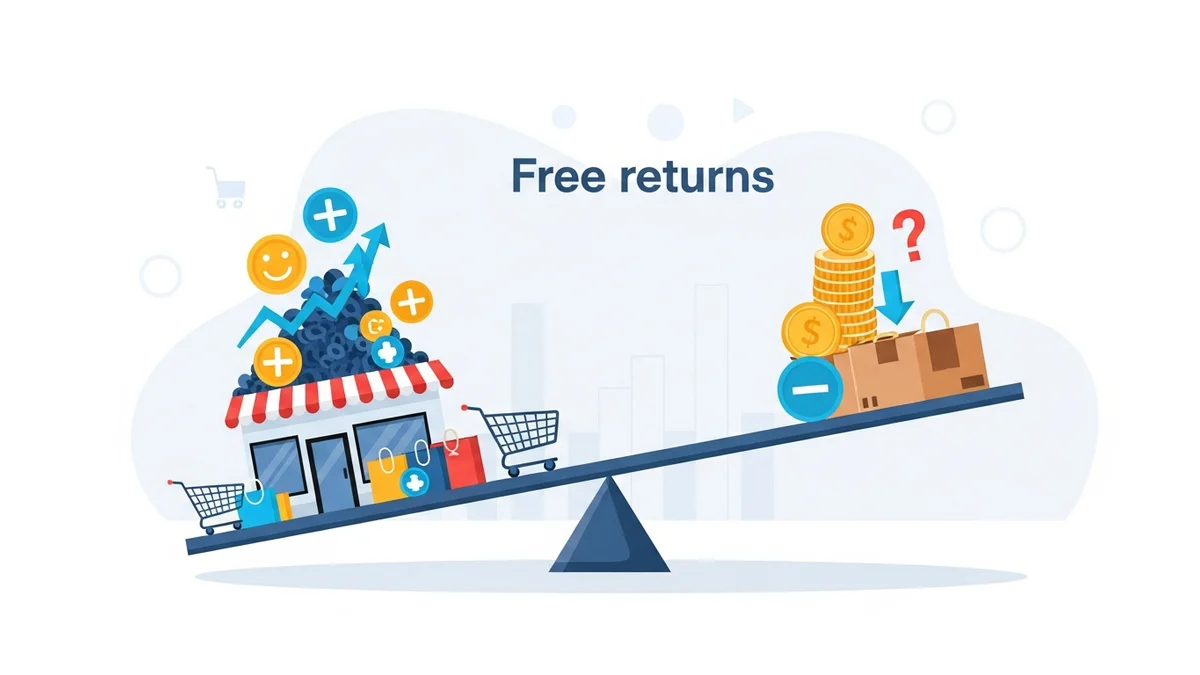
- Generous: Longer return windows, free return shipping, full refunds. Ideal for building extreme loyalty.
- Balanced: Standard return windows, customer pays return shipping unless defective, various options (refund/exchange/credit). Common for many online stores.
- Strict: Shorter windows, customer always pays shipping, store credit only. Often used for high-margin, niche, or personalized products.
Step 2: Set Your Return Window
Choose a reasonable timeframe for returns. Most online stores offer 14, 30, or 60 days. Consider your product type; higher-value items or gifts might benefit from a longer window. Clearly state whether the window starts from the purchase date or the delivery date.
Example: "You have 30 calendar days from the date you received your item to initiate a return."
Step 3: Specify Eligible & Ineligible Items
This is crucial for managing expectations and preventing disputes. Create a clear list of what can and cannot be returned. Be as specific as possible to avoid ambiguity.
- Eligible: Most standard products, typically.
- Ineligible:
- Final sale or clearance items.
- Personalized or custom-made products.
- Perishable goods (e.g., food, flowers).
- Intimate or hygienic items (e.g., underwear, earrings) once opened.
- Digital products or gift cards.
- Items clearly marked as non-returnable on the product page.
Step 4: Clarify Return Condition Requirements
Define the state in which an item must be returned. This protects you from accepting used or damaged goods. Standard requirements include "original condition," "unused," and "with all original packaging and tags attached."
Example: "To be eligible for a return, your item must be unused, in the same condition that you received it, and in its original packaging with all tags still attached."
Step 5: Determine Shipping Cost Responsibility
Decide who bears the cost of shipping the item back to you. This is a common point of contention, so be very clear.
- Customer Pays: Most common for "change of mind" returns.
- Store Pays: Often for defective products, incorrect items, or as a premium customer service offering.
- Partial/Shared: You might provide a return label but deduct the cost from the refund.
Example: "Customers are responsible for return shipping costs for 'change of mind' returns. If the item is defective or incorrect, we will provide a prepaid return label."
Step 6: Outline Refund/Exchange Options
State clearly what customers will receive after a successful return. Will it be a full refund to their original payment method, store credit, or an exchange for a different size/colour/item? Be specific about any deductions (e.g., original shipping costs, restocking fees).
Example: "Upon approval of your return, you will receive a full refund to your original payment method, or you may opt for store credit or an exchange for another item of equal value."
Step 7: Detail the Return Process for Customers
This is arguably the most important part for customer trust. Provide simple, step-by-step instructions. Make it as easy as possible for them to understand and follow.
- Contact Us First: Instruct customers to email your support team or use a dedicated returns portal.
- Provide Details: Ask for their order number, item(s) to be returned, and reason for the return.
- Wait for Authorization: Explain that they'll receive instructions (e.g., a Return Merchandise Authorization - RMA number, return shipping label) after their request is reviewed.
- Package Securely: Advise them to pack the item carefully to prevent damage during transit.
- Ship Back: Provide the return address and any specific shipping instructions.
Example: "To initiate a return, please email our customer service team at [email protected] with your order number and the reason for return. We will then provide you with detailed instructions and a return authorization number."
Step 8: State Processing Times
Manage customer expectations by letting them know how long it will take to process their return and issue a refund or exchange. Include time for transit, inspection, and bank processing.
Example: "Once we receive your returned item, please allow 5-7 business days for inspection and processing. Refunds typically appear on your statement within 3-5 business days after processing."
Step 9: Include Contact Information
Always provide clear contact details for any questions or issues regarding returns. An easily accessible email address or phone number reinforces transparency.
Example: "If you have any questions about our returns policy, please contact us at [email protected] or call us at [Your Phone Number]."
Step 10: Write it Clearly and Concisely
Avoid legal jargon and use plain, straightforward language. Break up long paragraphs with bullet points and headings. Make it scannable so customers can quickly find the information they need. Use a friendly yet professional tone.
Step 11: Place it Prominently on Your Store
A great policy is useless if customers can't find it. Ensure your returns policy is easily accessible from key areas of your WooCommerce store:
- Footer Menu: A common and expected location.
- Product Pages: Consider a direct link or summary near the "Add to Cart" button.
- Checkout Page: Reassure customers at the point of purchase.
- Order Confirmation Emails: Include a link for easy reference after purchase.
Step 12: Review and Update Regularly
Your business evolves, and so should your policies. Periodically review your returns policy (e.g., annually, or after significant product changes) to ensure it remains relevant, fair, and effective. Get feedback from customer service on common return issues.
Tips for Making Your Policy Customer-Friendly (and Business-Smart)
Beyond the basic components, a few strategic considerations can elevate your returns policy from good to great, turning potential detractors into promoters.
- Use Empathetic Language: Frame your policy in a way that shows you understand the customer's needs. Instead of "You must," try "To ensure a smooth return, please..."
- Offer Exchanges as a First Option: Sometimes customers just need a different size or colour. Making exchanges easy can retain sales that might otherwise be lost to refunds.
- Consider a "No Questions Asked" Period: For specific product categories or as a premium offering, a short "no questions asked" return window can significantly boost trust and sales.
- Provide Self-Service Options: Implement a returns management plugin for WooCommerce that allows customers to initiate returns, track status, and print labels themselves. This reduces customer service workload and empowers customers.
- Highlight Benefits: Emphasize how easy and fair your returns process is. "Hassle-free returns" or "Shop with confidence" can be powerful messaging.
Related Articles
Continue your learning with these related resources:
- The Complete Guide to Managing Australia Post Shipping for Your WooCommerce Store (Comprehensive Guide)
- How Volumetric Weight Affects Your Australia Post Costs for WooCommerce Shipments
- Return to Sender vs. Abandon: Optimizing Australia Post Undeliverable Options for WooCommerce
- How to Reduce Packaging Weight to Lower Your Australia Post Costs for WooCommerce Orders
- Navigating Australia Post Dangerous Goods Rules for WooCommerce Stores
- How to Communicate Australia Post Delivery Delays to Your WooCommerce Customers
Conclusion
Creating a robust, transparent, and customer-friendly returns policy is an investment in your WooCommerce store's long-term success. It's not just about managing costs; it's about building a foundation of trust that encourages purchases, reduces friction, and transforms potentially negative experiences into opportunities for loyalty.
By following these steps and focusing on clarity and fairness, you can craft a returns policy that not only protects your business but also becomes a powerful asset in fostering strong, lasting relationships with your customers. A well-designed policy empowers your customers and solidifies your brand as one that truly cares.