Introduction
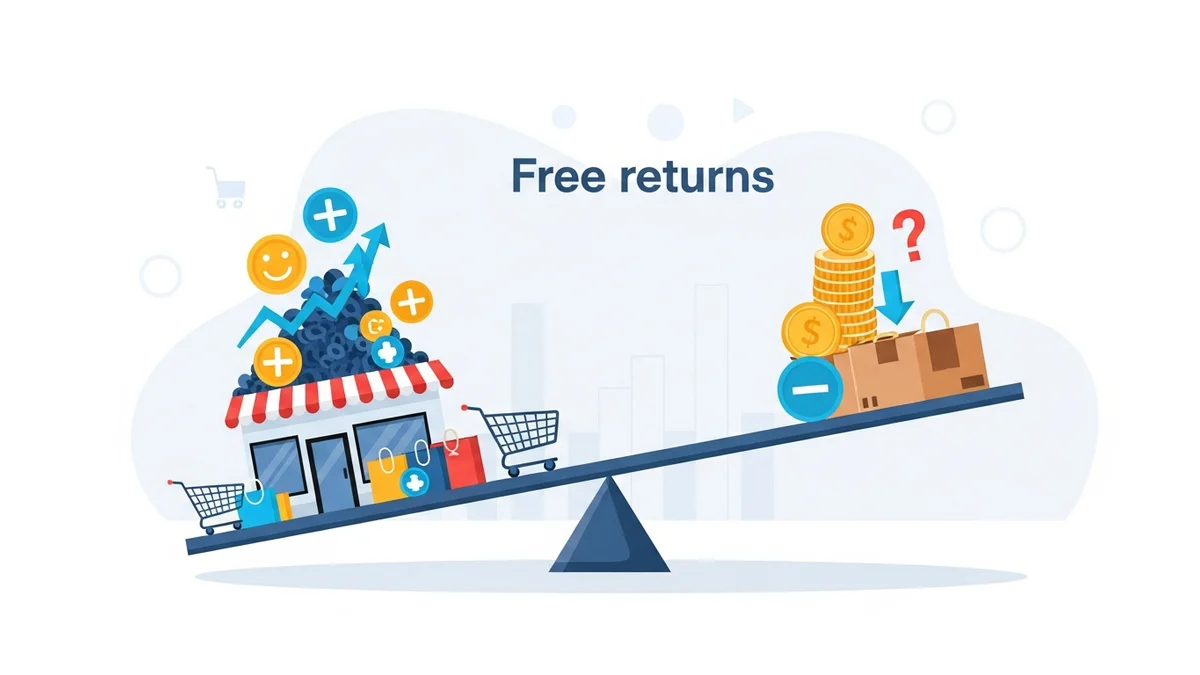
In the competitive world of e-commerce, customer expectations are constantly evolving. One of the most debated topics among online store owners, particularly those running WooCommerce stores, is whether to offer free returns. This policy, while seemingly customer-friendly, carries a complex interplay of benefits and costs that can significantly impact your bottom line and brand reputation.
Deciding on a returns policy is not a one-size-fits-all decision. It requires a careful evaluation of your business model, product type, profit margins, and target audience. This article will help WooCommerce merchants weigh the advantages against the disadvantages, providing actionable insights to craft a returns strategy that protects your margins and enhances customer loyalty.
The Allure of Free Returns: Key Benefits for WooCommerce Stores
Offering free returns can be a powerful marketing tool and a significant driver of sales. For WooCommerce stores, a generous return policy can differentiate you from competitors and foster a strong sense of trust with your customer base.
Increased Sales and Conversion Rates
One of the primary benefits of free returns is its ability to reduce purchase anxiety. Customers are more likely to complete a purchase when they know they can easily return an item if it doesn't meet their expectations without incurring additional costs. This confidence often translates into higher conversion rates for your WooCommerce store, turning hesitant browsers into buyers.
Enhanced Customer Trust and Loyalty
A hassle-free, free returns policy signals to customers that your brand stands behind its products. This builds significant trust, which is crucial for long-term customer relationships. When customers feel valued and confident in their purchase, they are more likely to become repeat buyers and loyal advocates for your WooCommerce business.
Competitive Advantage
In many e-commerce niches, free returns have become a standard. If your competitors offer them and you don't, you might be at a disadvantage. Adopting a free returns policy can help your WooCommerce store stay competitive, attract new customers who prioritise convenience, and maintain market share.
Reduced Cart Abandonment
High shipping costs and restrictive return policies are common reasons for cart abandonment. By offering free returns, you remove a major barrier to purchase. This can significantly improve your WooCommerce store's checkout completion rates, leading to more successful transactions.
Positive Word-of-Mouth and Reviews
Happy customers who experience a smooth, free return process are more likely to share their positive experiences with others. This organic word-of-mouth marketing and favourable online reviews can be invaluable for attracting new customers to your WooCommerce store, often at a lower cost than paid advertising.
The Hidden Costs of Free Returns: What WooCommerce Merchants Must Consider
While the benefits of free returns are compelling, it's crucial for WooCommerce merchants to understand the underlying costs. These expenses can quickly erode profit margins if not managed effectively, making a seemingly attractive policy a financial burden.
Direct Shipping Costs
The most obvious cost is the expense of return shipping labels. When you offer free returns, your WooCommerce store absorbs these freight charges. Depending on the volume of returns, product weight, and shipping distances, these costs can accumulate rapidly, especially for international or bulky items.
Restocking and Repackaging Costs
Upon receiving a returned item, your team will likely need to inspect, clean, repackage, and restock it. This involves labour costs, as well as the cost of new packaging materials. If an item is returned damaged or not in its original condition, it might require repairs or even become unsellable, leading to a complete loss.
Inventory Holding Costs
Returned items take up valuable warehouse space while they await inspection and restocking. This contributes to inventory holding costs. Furthermore, if an item is returned after a significant period, it might be out of season or devalued, impacting your ability to resell it at full price.
Potential for Abuse and Fraud
A very generous free returns policy can sometimes be exploited. Practices like "wardrobing" (buying an item, using it once, and returning it) or excessive returns without genuine reasons can lead to significant losses. WooCommerce stores need systems in place to monitor and flag suspicious return patterns.
Impact on Profit Margins
For businesses operating on thin profit margins, the cumulative costs of free returns can be devastating. Every return directly impacts the profitability of the original sale. Merchants must calculate if their average order value (AOV) and product margins can comfortably absorb these expenses.
Environmental Impact
The increase in shipping and handling for returns contributes to a larger carbon footprint. More packages mean more transportation, more packaging waste, and potentially more items ending up in landfills if they cannot be resold. While not a direct financial cost, it's an ethical consideration for many WooCommerce businesses.
Strategic Considerations for WooCommerce Stores Before Offering Free Returns
Before implementing a free returns policy, WooCommerce store owners should conduct a thorough assessment. A well-informed decision will align your returns policy with your overall business strategy and financial health.
Product Type and Average Order Value (AOV)
Consider the nature of your products. Free returns might make sense for high-AOV items like electronics or fashion apparel, where the potential for customer satisfaction and repeat purchases outweighs the return costs. For low-cost, high-volume consumables, the return shipping might exceed the product value, making free returns unsustainable.
Current Profit Margins
Analyse your current profit margins for different product categories. Can your margins comfortably absorb the additional costs of return shipping, restocking, and potential loss of goods? If your margins are already slim, free returns could quickly turn profitable sales into losses.
Current Return Rate
Understand your existing return rate. If it's already high, offering free returns could exacerbate the problem, leading to a significant increase in operational costs. If your return rate is low, the incremental cost of offering free returns might be manageable and provide a competitive edge.
Customer Demographics and Expectations
Research your target audience. Do your customers prioritise convenience and free shipping/returns? Younger demographics and frequent online shoppers often expect free returns as standard. Tailoring your policy to meet these expectations can be a key differentiator.
Competitor Policies
Investigate what your direct competitors are offering. If all your major rivals have free returns, you might need to consider it to remain competitive. However, if you offer unique products or a superior customer experience, you might be able to maintain a stricter policy.
Operational Scalability
Assess your internal capabilities. Can your current team and warehouse operations efficiently handle a potential increase in return volume? Implementing a free returns policy requires robust reverse logistics processes, including efficient inspection, restocking, and refund processing. WooCommerce stores might need to invest in automation tools or third-party logistics (3PL) partners.
Implementing a Smart Free Returns Policy in WooCommerce
If you decide to offer free returns, it's critical to implement it strategically. A well-defined and clearly communicated policy can maximise benefits while minimising costs for your WooCommerce store.
Clear and Transparent Policy
Your returns policy must be easy to find, read, and understand. Place it prominently on your WooCommerce store, such as in the footer, on product pages, and during checkout. Clarity prevents misunderstandings and reduces customer service inquiries.
Set a Reasonable Time Limit
While offering free returns, establish a clear timeframe for eligibility (e.g., 14, 30, or 60 days from delivery). This prevents "wardrobing" and ensures that returned items are still current and sellable. Be firm but fair with this policy.
Specify Item Condition Requirements
Clearly state that items must be returned in their original condition, unworn, unwashed, with all tags attached, and in original packaging. This protects your WooCommerce store from receiving unsellable merchandise and maintains the integrity of your inventory.
Include Clear Exclusions
Not all products are suitable for free returns. Clearly list any exclusions, such as final sale items, personalised or custom products, digital goods, or intimate apparel/hygiene products. This protects your business from significant losses on non-resellable items.
Streamlined Return Process
Make the return process as easy as possible for the customer. Consider integrating a WooCommerce returns management plugin that allows customers to initiate returns, print labels, and track their return status directly from your website. This reduces manual effort for both customers and your team.
Offer Store Credit or Exchanges
To retain revenue, consider offering store credit or exchanges as alternatives to a full refund, especially if the return is for a sizing or preference issue. Many customers are happy to exchange for a different item or size, or receive credit for a future purchase, keeping the sale within your WooCommerce store.
Collect Return Feedback
Implement a system to collect feedback on why items are being returned. Understanding common reasons (e.g., "item not as described," "wrong size," "damaged") can help your WooCommerce store identify product quality issues, improve descriptions, and reduce future return rates proactively.
Mitigating the Risks: Reducing Return Rates for WooCommerce
Regardless of your returns policy, proactive measures to reduce overall return rates are crucial. By focussing on customer satisfaction from the outset, WooCommerce stores can minimise the financial and operational impact of returns.
High-Quality Product Descriptions and Images
Provide detailed, accurate, and compelling product descriptions. Use multiple high-resolution images, videos, and 360-degree views to give customers a comprehensive understanding of the product. The more informed customers are, the less likely they are to return items due to unmet expectations.
Accurate Sizing Guides
For apparel and footwear, inaccurate sizing is a leading cause of returns. Implement clear, comprehensive sizing guides, complete with measurements and instructions on how to measure. Consider using virtual try-on tools or customer reviews that mention sizing fit.
Leverage Customer Reviews and FAQs
Encourage customers to leave detailed reviews, especially regarding fit, quality, and accuracy of product representation. A robust FAQ section addressing common product questions can also pre-emptively resolve doubts that might otherwise lead to returns.
Personalised Recommendations
Use AI-powered recommendation engines to suggest products that are more likely to fit a customer's preferences and past purchases. This reduces the chances of customers ordering items that simply aren't right for them.
Proactive Pre-Purchase Support
Offer excellent pre-purchase customer support through live chat, chatbots, or email. Answering questions about products, materials, or sizing before a purchase can prevent many returns by ensuring customers make informed decisions.
Post-Purchase Engagement
Follow up with customers after their purchase to ensure satisfaction. A quick email asking if they're happy with their order can catch potential issues early and allow you to resolve them before a return request is initiated.
Related Articles
Continue your learning with these related resources:
- The Complete Guide to Managing Australia Post Shipping for Your WooCommerce Store (Comprehensive Guide)
- How Volumetric Weight Affects Your Australia Post Costs for WooCommerce Shipments
- Return to Sender vs. Abandon: Optimizing Australia Post Undeliverable Options for WooCommerce
- How to Reduce Packaging Weight to Lower Your Australia Post Costs for WooCommerce Orders
- Navigating Australia Post Dangerous Goods Rules for WooCommerce Stores
- How to Communicate Australia Post Delivery Delays to Your WooCommerce Customers
Conclusion
The decision to offer free returns in your WooCommerce store is a strategic one, balancing the clear benefits of increased sales and customer loyalty against the tangible costs and operational complexities. There's no universal answer; the right policy depends heavily on your specific products, profit margins, and target audience.
By carefully weighing the pros and cons, implementing a transparent and well-managed policy, and proactively working to reduce return rates, WooCommerce merchants can leverage returns as a loyalty driver rather than a pure cost centre. Analyse your data, understand your customers, and choose a returns strategy that best supports your long-term growth and profitability.