Introduction
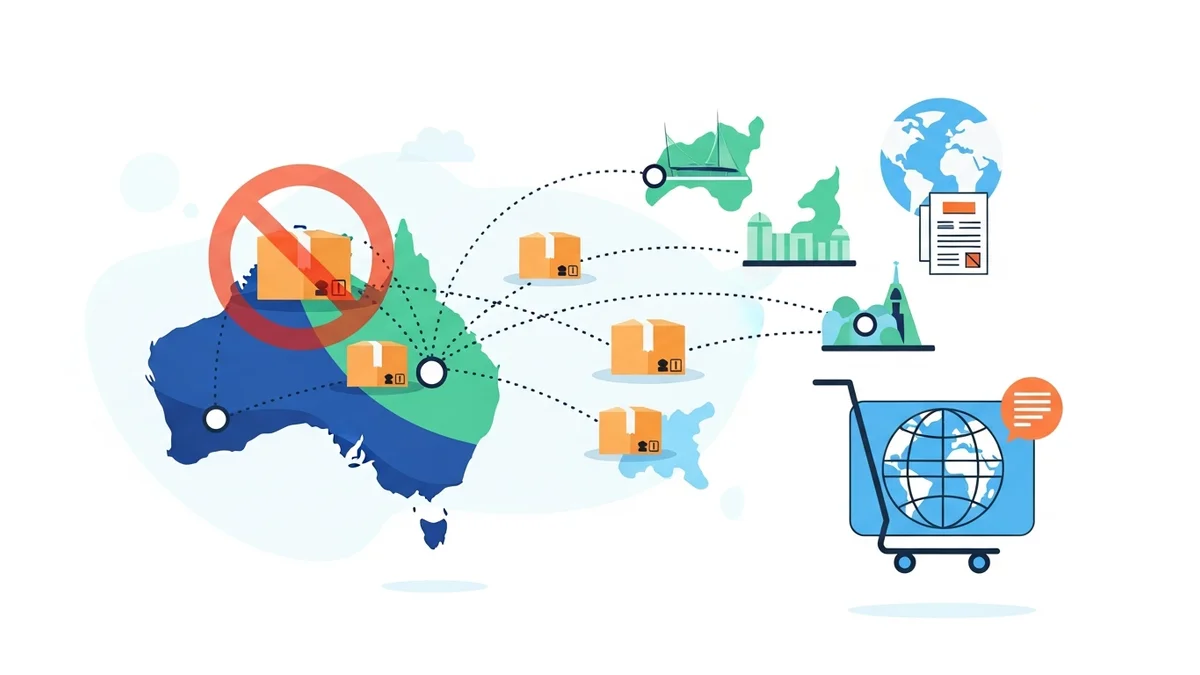
Expanding your WooCommerce store internationally presents immense growth opportunities, but it also introduces a labyrinth of shipping complexities. E-commerce managers focussed on business metrics, ROI, and operational efficiency know that seamless international shipping is paramount to customer satisfaction and repeat business. A significant hurdle in this journey is navigating the diverse and often stringent country-specific import restrictions that govern what you can and cannot ship.
Failing to comply with these regulations can lead to costly delays, seized goods, hefty fines, and damaged customer relationships. This article provides expert recommendations and industry best practices for WooCommerce merchants, specifically focusing on how to handle country-specific import restrictions, with a particular nod to Australia Post's guidelines, international customs requirements, and export declaration obligations.
Understanding the Global Shipping Landscape
The global e-commerce environment is constantly evolving, with each destination country having its own set of rules for imported goods. These regulations are designed to protect national security, public health, the environment, and local industries. For WooCommerce merchants, this means that a product perfectly legal to sell and ship domestically may be prohibited or restricted in an international market.
Ignoring these nuances can directly impact your bottom line. Delayed shipments due to customs inspections can lead to refund requests and negative reviews, eroding customer trust. Seized goods represent lost inventory and shipping costs, directly affecting your ROI. Proactive compliance is not just about avoiding penalties; it's about building a reputation for reliability and efficiency that fuels international growth.
Prohibited vs. Restricted Items: A Critical Distinction
Before initiating any international shipment, it's vital to understand the difference between prohibited and restricted items. This distinction dictates whether an item can be sent at all, or if it requires special handling.
Prohibited Items
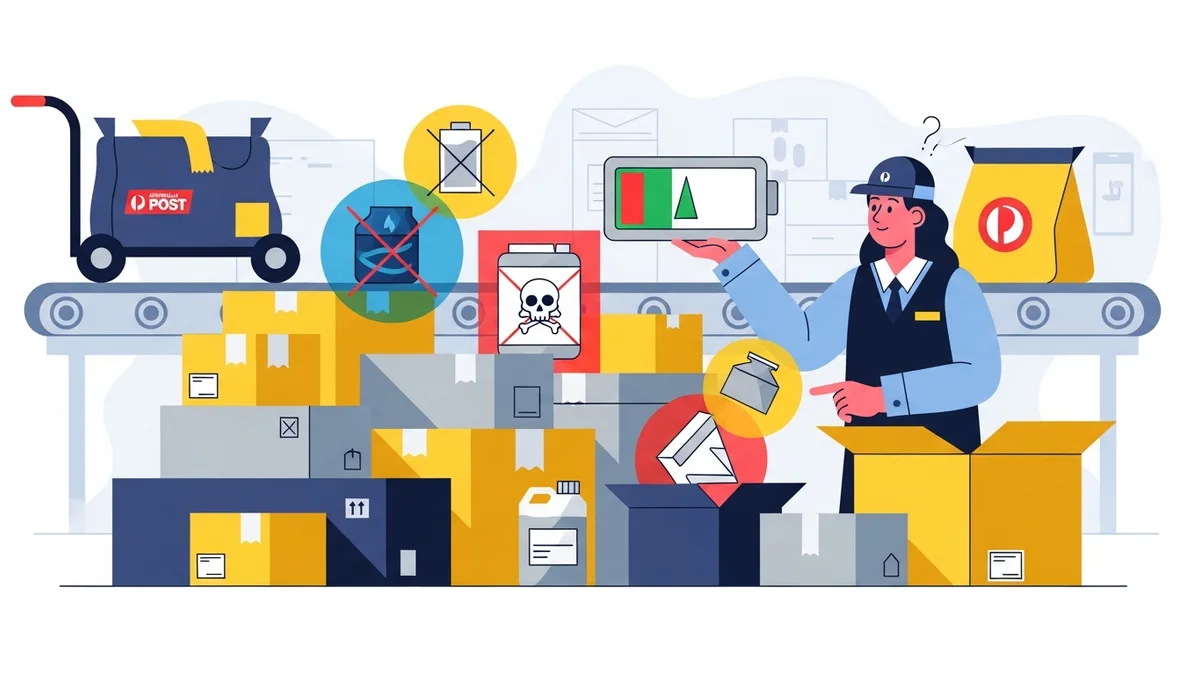
Prohibited items are goods that are absolutely forbidden from being imported into a country under any circumstances. These items are typically deemed dangerous, illegal, or a threat to public safety or national interests. Examples often include:
- Illicit drugs: Narcotics, controlled substances, and drug paraphernalia.
- Weapons: Firearms, ammunition, explosives, and certain knives.
- Perishable food: Fresh meat, dairy, and produce that could pose biosecurity risks.
- Counterfeit goods: Products infringing on intellectual property rights.
- Hazardous materials: Certain chemicals, poisons, and radioactive materials.
- Live animals or plants: Unless specific permits are obtained and very strict conditions are met.
Shipping a prohibited item almost guarantees seizure by customs, potential fines, and in severe cases, legal action against the sender. It's a non-negotiable category that must be avoided entirely.
Restricted Items
Restricted items, in contrast, are goods that can be imported but only under specific conditions. These conditions might include:
- Special permits or licenses: Required from relevant government agencies.
- Quantity limits: Only a certain amount can be imported at one time.
- Specific packaging or labeling: To ensure safe transit and proper identification.
- Certification: Proof that the item meets certain safety or quality standards.
- Age restrictions: For products like alcohol or tobacco.
Common examples of restricted items include certain types of batteries (e.g., lithium-ion), cosmetics, pharmaceuticals, food supplements, alcohol, tobacco products, and even some electronics. For instance, sending perfumes (which contain alcohol) internationally often requires specific declarations and may be prohibited by certain carriers or countries, or require dangerous goods services.
Successfully shipping restricted items requires diligent research and adherence to all stipulated conditions. Failure to do so will still result in delays or seizure, even if the item is not outright prohibited.
Navigating Country-Specific Import Restrictions with Australia Post
As an Australian WooCommerce merchant, Australia Post is likely your primary international shipping partner. Understanding their specific guidelines, alongside destination country rules, is critical.
Research and Due Diligence
The cornerstone of international shipping compliance is thorough research. You cannot rely on assumptions; every country is different. Your process should include:
- Destination Country Customs Websites: Always check the official customs and border protection websites for each target country. These are the definitive sources for import regulations, prohibited/restricted lists, and required documentation. For example, the U.S. Customs and Border Protection (CBP) website or the European Commission's Access2Markets portal.
- Australia Post International Guides: Australia Post provides detailed "Country Guides" on their website. These guides list specific prohibitions and restrictions for each country they ship to, often including unique requirements for certain goods. This is your first point of reference for carrier-specific rules from an Australian perspective.
- Trade Associations: Industry-specific trade associations can offer insights into restrictions related to your product category (e.g., cosmetics, electronics).
Why it matters: Relying on outdated information or anecdotal evidence is a recipe for compliance issues. Official sources provide the most accurate and up-to-date regulations, minimizing the risk of costly errors.
Utilizing HS Codes Effectively
The Harmonized System (HS) code is an internationally standardized system of names and numbers for classifying traded products. It's a six-digit code used by customs authorities worldwide to identify products, assess duties and taxes, and apply import restrictions.
- Accurate Classification: Assigning the correct HS code to each product is paramount. An incorrect code can lead to incorrect duties/taxes, delays, or even misinterpretation of an item as restricted or prohibited.
- Customs Tools: Utilize online HS code lookup tools (e.g., from the World Customs Organisation or national customs websites) to ensure accuracy. Many international shipping platforms also offer HS code assistance.
Why it matters: HS codes are the universal language of customs. Accurate codes streamline customs clearance, prevent overpayment or underpayment of duties, and help avoid flags for potentially restricted items.
Customs Declarations and Documentation
Proper documentation is non-negotiable for international shipments. For Australia Post, this typically involves:
- Commercial Invoice: This document details the seller and buyer, a complete description of goods, quantity, unit value, total value, currency, country of origin, and HS codes. Accuracy here is crucial for customs valuation and risk assessment.
- Customs Declaration Form (CN22/CN23): These forms are mandated by the Universal Postal Union. CN22 is for lower-value items, CN23 for higher-value items. They require a detailed description of contents, value, weight, and HS codes. Australia Post integrates this into their shipping labels.
- Export Declaration (EDN): For goods shipped from Australia with a value over AUD 2,000, an Export Declaration Number (EDN) is required by Australian Border Force. This is usually managed through your freight forwarder or directly via the Integrated Cargo System (ICS). Australia Post can guide you on when and how an EDN needs to be provided.
- Specific Permits/Licenses: If you are shipping a restricted item, you must attach copies of any required import permits or licenses issued by the destination country's authorities.
- Certificate of Origin: While not always mandatory, a Certificate of Origin (COO) may be required for certain goods to qualify for preferential tariffs under free trade agreements or for specific import regulations.
Why it matters: Incomplete or inaccurate documentation is the leading cause of customs delays and seizures. Meticulous preparation ensures smooth processing and demonstrates compliance.
Best Practices for WooCommerce Merchants
Integrating compliance into your e-commerce operations is key to sustainable international growth.
Pre-Sale Transparency and Customer Communication
Set clear expectations with your international customers from the outset. This builds trust and reduces post-purchase issues.
- Product Page Warnings: Add clear disclaimers on product pages for items that are frequently restricted or subject to special import rules (e.g., "Note: This product may be subject to import restrictions in your country. Please check local regulations before purchasing.").
- Shipping Policy Page: Create a comprehensive international shipping policy that explains potential duties, taxes, and import restrictions. Clearly state that the customer is responsible for understanding and complying with their country's import laws.
- Checkout Reminders: Use notices during the checkout process to remind international buyers about potential customs fees and import restrictions.
Why it matters: Transparency manages customer expectations, reduces abandoned carts due to unexpected costs, and protects your business from liability for customs issues on the customer's end.
Leveraging Technology and Integrations
Manual compliance checks are time-consuming and prone to human error. Technology can significantly streamline this process.
- WooCommerce Shipping Plugins: Explore plugins that offer international shipping features, such as duty and tax calculators, HS code assistance, and even basic restriction flagging based on destination. Some advanced plugins integrate with customs databases.
- Shipping Platforms: Utilize third-party shipping platforms that integrate with WooCommerce and Australia Post. Many of these platforms offer built-in compliance tools, generate customs documentation automatically, and can alert you to potential issues based on item descriptions and destination.
- API Integrations: For high-volume sellers, consider integrating with specialized customs compliance APIs that provide real-time data on import restrictions, duties, and taxes for specific products and countries.
Why it matters: Automation reduces manual effort, improves accuracy, and provides real-time insights, allowing you to scale international operations more efficiently and reduce operational costs.
Regularly Updating Your Knowledge Base
Customs regulations are not static. They change frequently due to new trade agreements, security concerns, or public health policies.
- Stay Informed: Subscribe to newsletters from Australia Post, relevant customs authorities, and international trade organisations.
- Review Policies Annually: Conduct an annual review of your international shipping policies and product catalog against current regulations for your most popular international destinations.
- Team Training: Ensure your customer service and fulfillment teams are trained on international shipping compliance to answer customer queries accurately and process orders correctly.
Why it matters: Proactive knowledge management prevents compliance gaps, minimizes disruptions, and keeps your business agile in the face of changing global trade rules.
Managing Returns and Refused Shipments
Even with the best preparation, international shipments can be refused or returned due to unforeseen customs issues or customer non-compliance.
- Clear Return Policy: Have a clearly defined policy for international returns, especially those due to customs refusal. Who bears the cost of return shipping? Is the product value refunded?
- Communication Protocol: Establish a protocol for communicating with customers when a shipment is delayed or refused at customs. Offer assistance where possible, but reiterate their responsibility for import compliance.
Why it matters: A clear strategy for managing refused shipments minimizes financial losses, maintains customer goodwill, and ensures operational efficiency when complications arise.
Related Articles
Continue your learning with these related resources:
- The Complete Guide to Managing Australia Post Shipping for Your WooCommerce Store (Comprehensive Guide)
- How Volumetric Weight Affects Your Australia Post Costs for WooCommerce Shipments
- Return to Sender vs. Abandon: Optimizing Australia Post Undeliverable Options for WooCommerce
- How to Reduce Packaging Weight to Lower Your Australia Post Costs for WooCommerce Orders
- Navigating Australia Post Dangerous Goods Rules for WooCommerce Stores
- How to Communicate Australia Post Delivery Delays to Your WooCommerce Customers
Conclusion
Navigating country-specific import restrictions for WooCommerce international shipments is a complex but manageable challenge. By understanding the distinction between prohibited and restricted items, conducting thorough due diligence, accurately preparing customs documentation including HS codes and Australia Post requirements, and leveraging technology, e-commerce managers can significantly de-risk their global operations.
Proactive compliance is an investment that pays dividends in reduced delays, minimized fines, and enhanced customer trust. Embrace transparency, integrate smart tools, and commit to continuous learning, and your WooCommerce store will be well-equipped to thrive in the international marketplace, ensuring smooth deliveries and a healthy ROI.