Introduction
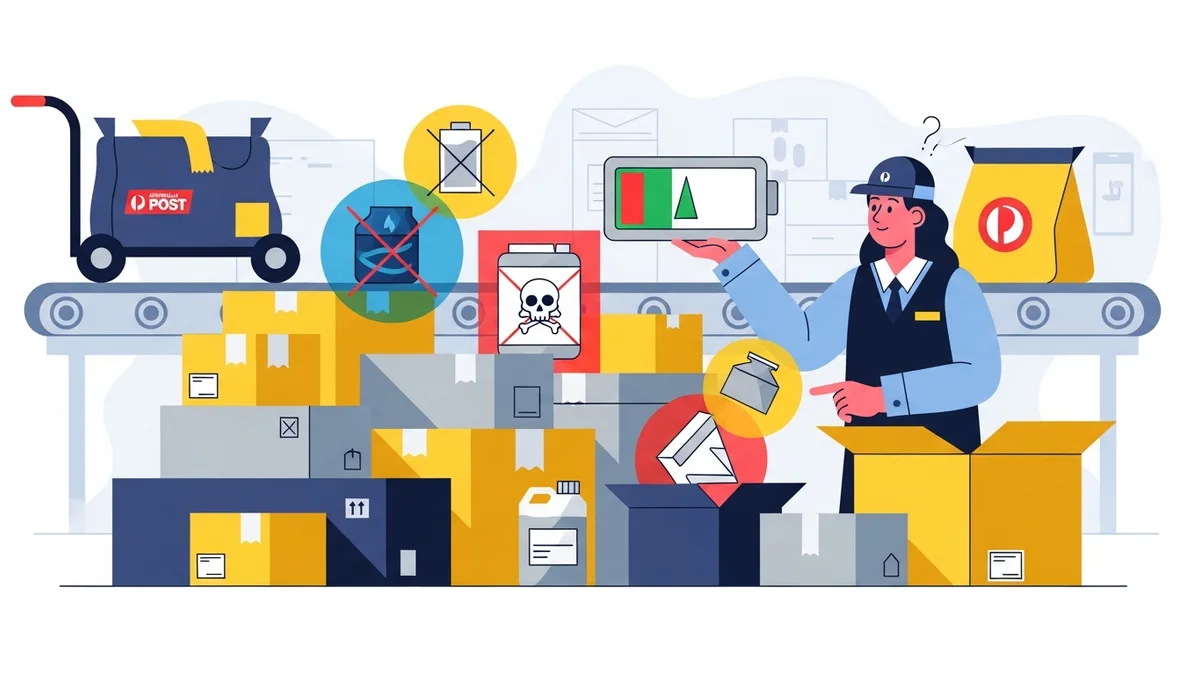
As a WooCommerce store owner, getting your products to customers safely and efficiently is paramount. While setting up shipping zones and calculating costs might seem like the main challenge, there's a crucial layer of compliance you cannot overlook: understanding what items Australia Post allows you to send, and what items are strictly prohibited or restricted.
Failing to comply with Australia Post's regulations, and those of destination countries for international shipments, can lead to severe consequences. These include significant delays, your parcels being seized by customs, goods being returned to you at your expense, hefty fines, and damage to your business's reputation. This comprehensive guide will help you navigate the complexities of Australia Post's shipping rules, ensuring your WooCommerce business operates smoothly and compliantly.
Understanding Australia Post's Shipping Rules
Australia Post categorises items that have special shipping requirements into two main groups: Prohibited Items and Restricted Items. It's vital to know the difference, as each category carries different implications for your shipping process.
Prohibited Items: Absolutely No Entry
Prohibited items are those that Australia Post absolutely forbids from being sent through its network, both domestically and internationally. These items pose significant risks to safety, security, or violate legal statutes. Attempting to send a prohibited item can result in its seizure, legal action, and financial penalties. There are no exceptions or special conditions for these items.
Restricted Items: Conditions Apply
Restricted items, on the other hand, are those that can be sent, but only under specific conditions. These conditions often relate to packaging, labelling, quantity limits, specific declarations, or requiring a particular shipping service. For example, some items may be restricted for international shipping but allowed domestically with proper handling. Your responsibility as a WooCommerce merchant is to understand and adhere to these conditions meticulously.
Common Prohibited Items You Can Never Send
For WooCommerce merchants, identifying common prohibited items is the first step in avoiding shipping woes. These are items that, under no circumstances, should enter the Australia Post network.
Explosives and Flammable Substances
- Ammunition & Firearms: Any type of ammunition, firearms, or parts of firearms are strictly prohibited. This includes replica firearms if they can be converted or are indistinguishable from real ones.
- Fireworks & Pyrotechnics: All forms of fireworks, sparklers, and other explosive devices are banned due to their inherent danger.
- Flammable Liquids & Solids: This category is broad and includes many common household items. Examples are petrol, lighter fluid, paints, varnishes, certain adhesives, cleaning solvents, and even some nail polishes. Flammable solids include matches and certain types of firelighters.
- Gases: Any compressed, liquefied, or dissolved gases are prohibited. This covers items like aerosols (unless specifically restricted under certain conditions domestically), camping gas cylinders, and diving tanks.
Dangerous Goods and Hazardous Materials
- Toxic & Corrosive Substances: Poisons, pesticides, weed killers, corrosive cleaning products (like strong drain cleaners), mercury, and some types of batteries (e.g., wet-cell car batteries) fall into this category. These can leak, cause chemical burns, or release toxic fumes.
- Radioactive Materials: Any substance emitting ionising radiation, no matter how small, is prohibited.
- Infectious Substances: This includes biological samples, medical waste, or anything that could transmit disease.
Illicit and Illegal Items
- Illicit Drugs: Any illegal narcotics, controlled substances, or drug paraphernalia are strictly forbidden. This also includes precursors used in the manufacture of illicit drugs.
- Weapons & Offensive Materials: Knives, flick knives, tasers, knuckle dusters, or any item designed to cause harm are prohibited. Offensive materials, including pornography or hate speech, are also banned.
- Counterfeit Goods: Items infringing on copyright or trademark laws, such as fake designer bags or pirated software, cannot be sent.
Live Animals and Perishables (General Rule)
- Live Animals: With very few, highly specific exceptions (e.g., bees through specific services and strict packaging), live animals are generally prohibited. This includes insects, reptiles, birds, and mammals.
- Perishable Goods: Items that spoil quickly, like fresh meat, dairy, or some fruits and vegetables, are generally prohibited unless using highly specialised, express services with approved packaging and temperature control, which are rare for standard e-commerce.
Other Prohibited Items
- Cash & Currency: Sending cash, banknotes, or coins is highly discouraged and often prohibited, as it’s untraceable and uninsured. Money orders or bank transfers are safer alternatives.
- Human Remains: Ashes or other human remains are prohibited unless specific, strict conditions and services are met (e.g., registered funeral director services).
Common Restricted Items: When Conditions Apply
Restricted items can often be sent, but you must adhere to specific guidelines. This is where many WooCommerce merchants might encounter challenges, as the rules can be nuanced.
Lithium Batteries
Lithium batteries are a common component in modern electronics, making them one of the most frequently restricted items. Their flammability makes them dangerous if not handled correctly.
- Batteries Contained in Equipment: Devices like laptops, mobile phones, or cameras with lithium-ion batteries installed are generally permitted, provided they are securely packaged to prevent activation and damage. Limits on the number of batteries per package may apply.
- Spare/Loose Batteries: Sending loose lithium batteries (e.g., spare phone batteries, power banks) is more restrictive. They often need individual protective packaging (e.g., in a separate plastic bag, sealed box), terminals taped, and quantity limits apply. International shipping of loose batteries is often prohibited entirely.
- Battery Type & Watt-Hour Rating: Rules vary significantly based on whether they are lithium-ion (rechargeable) or lithium metal (non-rechargeable) and their Watt-hour (Wh) rating. Higher Wh batteries face stricter restrictions or outright prohibitions.
Actionable Advice: Always check Australia Post's detailed guide on sending batteries. Clearly label packages containing batteries, and ensure they are well-protected against short-circuiting and physical damage. For international orders, assume stricter rules or outright prohibition for loose batteries.
Alcohol and Perfumes
These items often contain flammable components and are subject to excise duties and age restrictions.
- Alcohol: Domestic shipping of alcohol (wine, spirits) is permitted with strict volume limits, robust packaging to prevent breakage, and often requires an adult signature on delivery. International shipping is highly restricted or prohibited to many countries due to import duties, taxes, and specific country laws.
- Perfumes & Aftershaves: These typically contain alcohol and are classified as flammable liquids. Domestically, small quantities might be allowed with specific packaging and labelling (e.g., Dangerous Goods declaration). Internationally, they are almost always prohibited due to their flammable nature.
Actionable Advice: If selling alcohol or perfumes, verify domestic and international rules precisely. Ensure age verification is part of your delivery process for alcohol. Consider alternative shipping methods for international alcohol sales if allowed by the destination country.
Medicines and Pharmaceuticals
Shipping medication is complex due to legal, safety, and customs regulations.
- Prescription & Over-the-Counter Medicines: Domestically, non-prescription medicines are generally permitted if in original packaging. Prescription medicines require a valid prescription and adherence to quantity limits. Internationally, most countries have stringent rules, often requiring a doctor's note, import permit, and limiting quantities to personal use. Some medications (e.g., narcotics, psychotropics) are universally prohibited.
Actionable Advice: Advise customers to check their local regulations before ordering medication internationally. For domestic sales, ensure products are clearly labelled and in their original packaging. Avoid international shipping of prescription medication unless you have absolute clarity on both Australian export and destination country import laws.
Sharp Objects and Tools
Items like knives, scissors, or tools with sharp edges can be sent if properly secured.
- Packaging: All sharp edges must be sheathed, wrapped, or otherwise protected to prevent injury to postal workers or damage to other mail. The item should not be able to pierce its packaging.
- Declaration: Clear declaration of contents may be required for certain types of tools or knives.
Actionable Advice: For kitchenware, craft supplies, or tools, invest in robust, protective packaging that completely covers any sharp points or blades. Use strong tape and consider double-boxing.
Food Items (Non-Perishable)
While fresh perishables are largely out, non-perishable food items can often be sent.
- Packaging: Must be securely sealed, in original manufacturer packaging, and robust enough to prevent leakage or spoilage.
- International Rules: This is a major area of restriction. Many countries have strict rules on importing food products, especially those containing animal products, seeds, or unprocessed ingredients, to prevent the introduction of pests and diseases. Even common items like honey, tea, or chocolate can be restricted.
Actionable Advice: For international food sales, it is critical to check the specific import regulations of the destination country. Clearly declare all ingredients on customs forms. If in doubt, err on the side of caution or avoid international food shipments altogether.
Aerosols (Domestically Only)
Some aerosols (e.g., deodorants, hairsprays) can be sent domestically via specific road transport services, but are almost universally prohibited for international airmail.
- Domestic Conditions: Must be in retail packaging, securely capped, and meet volume limits. Often requires a "Road Transport Only" declaration.
- International: Generally prohibited due to being a pressurised, flammable gas.
Actionable Advice: If you sell aerosols, ensure your shipping settings in WooCommerce reflect that these can only be sent domestically and via appropriate road services. Clearly communicate this to international customers to avoid disappointment.
International Shipping: The Layer of Complexity
When you ship products from your WooCommerce store to international customers, you're not just dealing with Australia Post's rules, but also the import regulations of the destination country. This adds a significant layer of complexity that demands careful attention.
Destination Country Import Rules
Every country has its own set of laws regarding what can and cannot enter its borders. These rules are enforced by their customs authorities and can differ wildly from Australia's regulations. What might be perfectly acceptable to send within Australia could be illegal or heavily restricted in another country.
- Common International Problem Categories:
- Agricultural Products: Seeds, plants, unprocessed foods, and animal products (e.g., meat, dairy, honey) are frequently restricted or prohibited due to biosecurity concerns.
- Alcohol & Tobacco: Almost universally subject to high duties, taxes, and often outright bans in many countries for import by individuals.
- Electronics: Issues often arise with lithium batteries, as discussed, but also with compliance standards (e.g., CE marking for Europe, FCC for USA).
- Medications: Even common over-the-counter drugs can be restricted or prohibited without a prescription and import permit.
- Cultural/Sensitive Items: Items made from endangered species, certain types of historical artefacts, or even specific religious texts can be restricted.
Customs Declarations (CN22/CN23)
For all international shipments, you must complete a customs declaration form (either a CN22 for lower value items or a CN23 for higher value items). This form requires you to accurately describe the contents of the package, its value, and whether it's a gift or commercial goods.
- Accuracy is Key: An inaccurate or vague description (e.g., "gift," "goods," "miscellaneous") is a red flag for customs and can lead to delays, opening of the package, or even seizure. Be specific (e.g., "Men's Cotton T-shirt," "Ceramic Coffee Mug").
- Harmonized System (HS) Codes: While not always mandatory for small packages, including the correct HS code (an international classification system for products) can significantly speed up customs clearance and reduce ambiguity.
- Value Declaration: Declare the true commercial value of the goods. Under-declaring the value to avoid duties is illegal and can lead to severe penalties.
The Role of Tariffs and Duties
It's important to remember that even if an item is permitted, it may be subject to import duties, taxes (like VAT or GST), and customs processing fees in the destination country. These costs are typically the responsibility of the recipient, and it's good practice to make this clear in your WooCommerce store's shipping policy.
Actionable Advice: Always inform your international customers that they may be liable for local taxes and duties. While you can't control another country's customs, you can provide clear information to your customers to manage expectations and avoid disputes.
WooCommerce Store Owner's Action Plan for Compliance
Navigating Australia Post's rules and international customs doesn't have to be overwhelming. By implementing a clear strategy, your WooCommerce store can operate efficiently and compliantly.
1. Educate Yourself and Your Team
- Australia Post Website: Regularly visit the official Australia Post website, specifically their "Dangerous Goods & Prohibited Items" section. Their guidelines are updated periodically.
- Country-Specific Guides: For international shipping, utilise Australia Post's international guides or directly check the customs websites of your most frequent destination countries.
- Internal Training: If you have staff involved in packing and shipping, ensure they are fully aware of all restrictions and protocols.
2. Review Your Product Catalogue
- Prohibited Item Audit: Go through your entire product catalogue. Identify any items that might fall into the prohibited or restricted categories.
- Flag Risky Products: For restricted items (e.g., products with lithium batteries, perfumes), flag them in your WooCommerce backend. Consider adding specific notes about shipping limitations on the product page.
3. Implement Clear Product Descriptions and Policies
- Detailed Descriptions: Ensure your product descriptions are accurate and comprehensive. If an item contains a component like a lithium battery, mention it.
- Shipping Policy: Create a detailed shipping policy page on your WooCommerce store. Clearly outline your approach to international shipping, customs duties, and any limitations on specific product types (e.g., "We cannot ship perfumes internationally").
4. Develop a Pre-Shipment Checklist
Before packing any order, especially international ones, run through a quick checklist:
- Destination Check: Is the destination country on any restricted list for this item?
- Item Classification: Is this item prohibited or restricted by Australia Post?
- Packaging Requirements: Does it need special packaging (e.g., for batteries, sharps)?
- Labelling: Are all necessary labels (e.g., Dangerous Goods, "Battery Contained in Equipment") applied?
- Customs Form: Is the international customs declaration (CN22/CN23) accurately and specifically completed, including item description and value?
5. Optimise Packaging Best Practices
- Secure and Robust: Use strong, appropriate packaging materials that can withstand transit.
- Internal Protection: Use adequate cushioning (bubble wrap, packing peanuts, crumpled paper) to prevent items from shifting or breaking, especially for fragile goods or those with internal components like batteries.
- Leak Prevention: For any liquids (even non-flammable ones), double-bag and seal them to prevent leaks damaging other mail.
6. Leverage WooCommerce Tools and Features
While specific plugin names aren't allowed here, many WooCommerce extensions can assist with shipping compliance:
- Conditional Shipping: Use plugins that allow you to set shipping rules based on product categories, weight, or destination. For example, you can disable international shipping for products marked as "Flammable Liquid."
- Shipping Label Generation: Many shipping integration plugins can automatically generate customs forms (CN22/CN23) with your product data, reducing manual entry errors.
- Shipping Rate Calculators: Ensure your shipping calculators accurately reflect the services available for different product types and destinations.
7. Communicate with Your Customers
Transparency is key. If a customer orders an item that cannot be shipped to their location, promptly inform them. Offer alternatives (e.g., a similar, shippable product) or a full refund. Clear communication can prevent negative reviews and build trust.
The Risks of Non-Compliance
Ignoring Australia Post's rules or international customs regulations can have far-reaching negative consequences for your WooCommerce business:
- Shipping Delays and Returns: Your package might be held at customs, inspected, or returned to you. This disappoints customers and costs you money in reshipping or refunds.
- Seizure of Goods: If an item is deemed truly prohibited or illegal, it can be confiscated and destroyed, resulting in a complete loss of your product and revenue.
- Fines and Penalties: Misdeclaring items or attempting to send prohibited goods can lead to significant financial penalties from Australia Post or destination country customs authorities.
- Damage to Reputation: Repeated shipping issues, delays, or customers receiving unexpected customs bills can severely damage your brand's reputation and lead to poor customer reviews.
- Loss of Shipping Privileges: In severe cases, Australia Post might suspend or revoke your ability to use their services.
Staying Updated Is Essential
Shipping regulations are not static. Australia Post updates its rules periodically, and international customs laws can change in response to global events, trade agreements, or new security concerns. It's your ongoing responsibility as a merchant to stay informed.
- Subscribe to Australia Post Updates: Sign up for their business newsletters or alerts.
- Regular Reviews: Make it a habit to review Australia Post's "Dangerous Goods" pages and the customs websites of your key international markets at least once a year, or whenever you introduce new product lines that might be affected.
Related Articles
Continue your learning with these related resources:
- The Complete Guide to Managing Australia Post Shipping for Your WooCommerce Store (Comprehensive Guide)
- How Volumetric Weight Affects Your Australia Post Costs for WooCommerce Shipments
- Return to Sender vs. Abandon: Optimizing Australia Post Undeliverable Options for WooCommerce
- How to Reduce Packaging Weight to Lower Your Australia Post Costs for WooCommerce Orders
- Navigating Australia Post Dangerous Goods Rules for WooCommerce Stores
- How to Communicate Australia Post Delivery Delays to Your WooCommerce Customers
Conclusion
Shipping compliance is not just about avoiding penalties; it's about protecting your business, ensuring customer satisfaction, and maintaining smooth operations. By diligently understanding and adhering to Australia Post's rules on prohibited and restricted items, especially when considering international shipments, your WooCommerce store can avoid costly mistakes and build a reputation for reliable, responsible service.
Take the time to educate yourself, implement robust internal processes, and leverage the tools available to you. Your proactive approach to shipping compliance will ultimately lead to happier customers and a more successful e-commerce venture.