Introduction
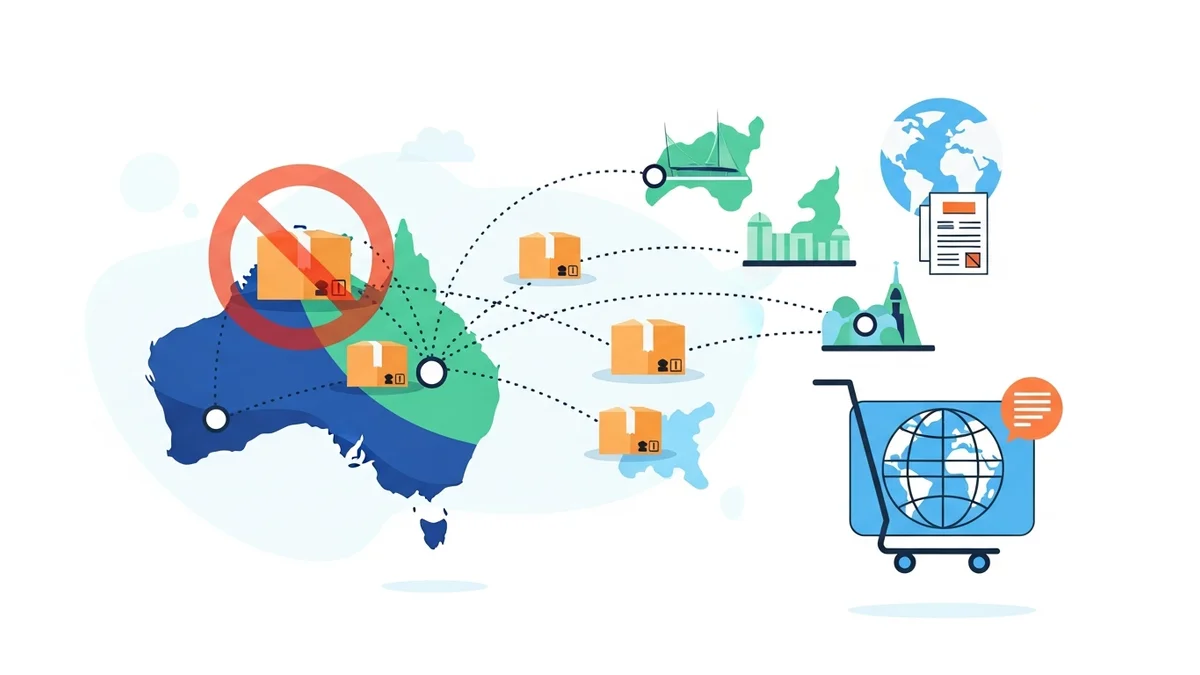
For WooCommerce merchants eyeing international markets, the world offers immense growth potential. However, navigating the complexities of international shipping compliance is paramount for success. Ignoring regulations can lead to costly delays, seized goods, significant fines, and damaged customer relationships, directly impacting your business's ROI and operational efficiency.
Australia Post, as a primary carrier, acts as a gateway to global customers, but it operates under a stringent framework of international and destination-country specific rules. This comprehensive guide will equip you with the knowledge needed to confidently manage Australia Post international shipping restrictions, ensuring your WooCommerce store remains compliant and profitable.
Understanding Australia Post's Role in International Shipping Compliance
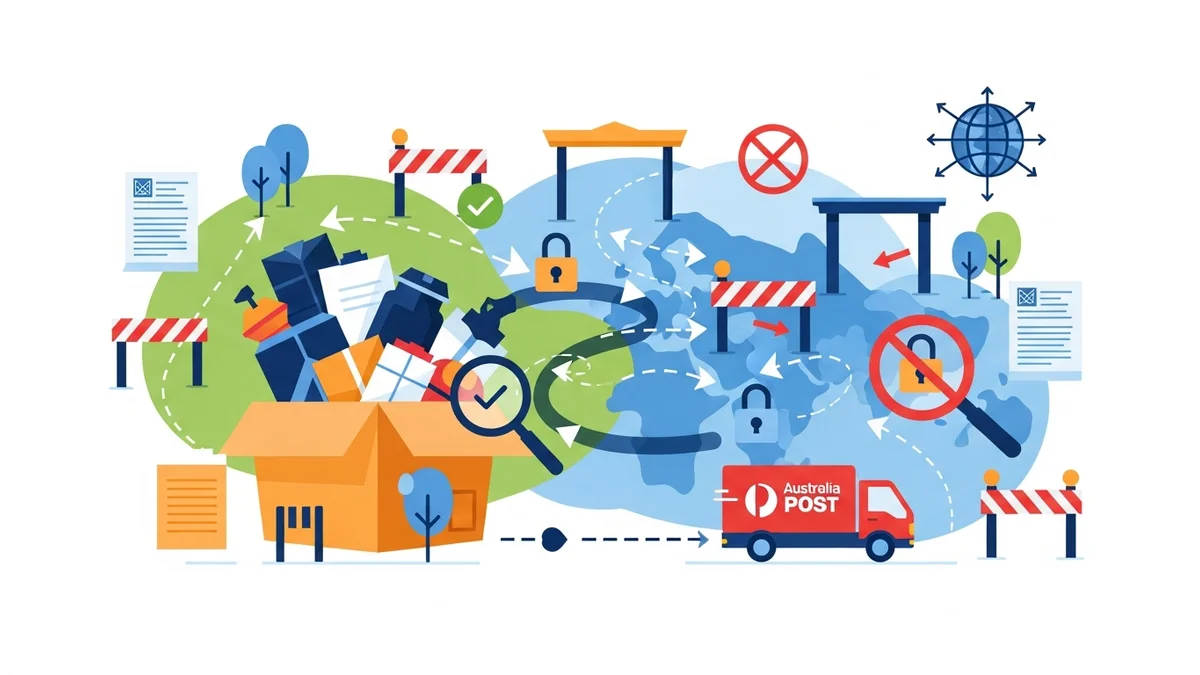
When you ship internationally through Australia Post, you're not just adhering to their guidelines; you're also implicitly agreeing to comply with the regulations of every transit country and the final destination country. Australia Post facilitates the movement of your goods, but the ultimate responsibility for compliance rests with the sender.
This dual layer of compliance means you must consider both Australia's export laws and the import laws of the recipient country. Failure to do so can result in packages being held at customs, returned to sender, or even destroyed, all at your expense. This directly impacts your bottom line and customer satisfaction.
Prohibited vs. Restricted Items: A Critical Distinction
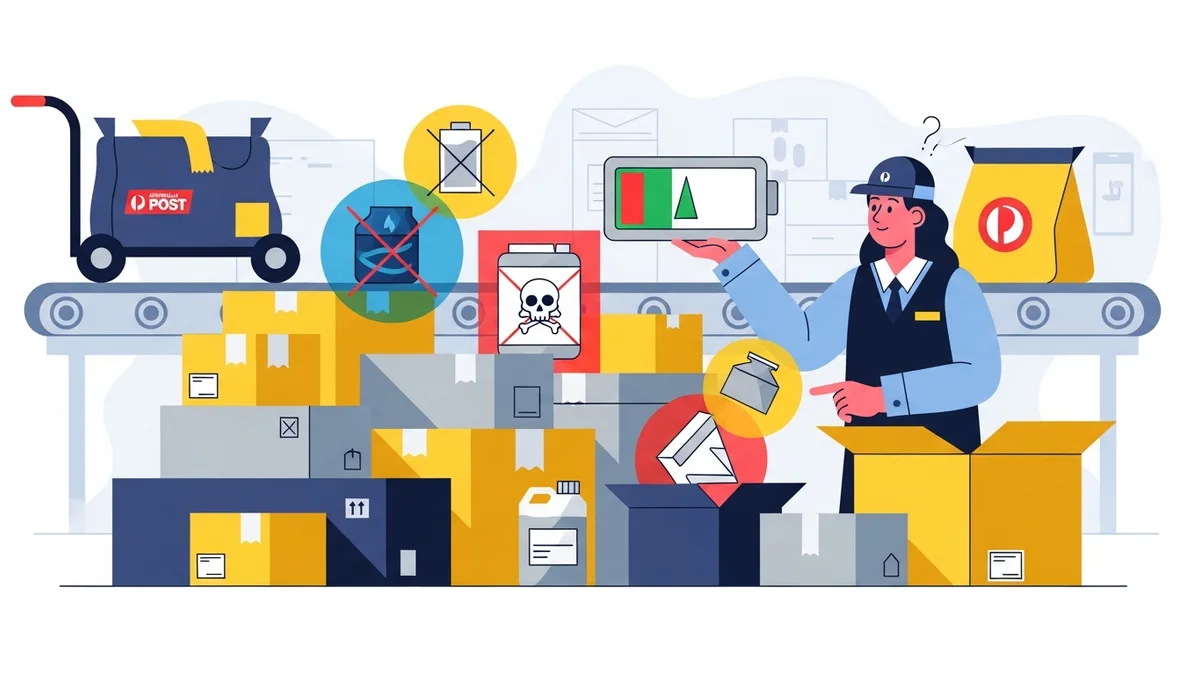
Understanding the difference between prohibited and restricted items is fundamental to international shipping compliance. Misinterpreting these categories is a common cause of shipping delays and penalties for e-commerce businesses.
Prohibited Items: Never Allowed
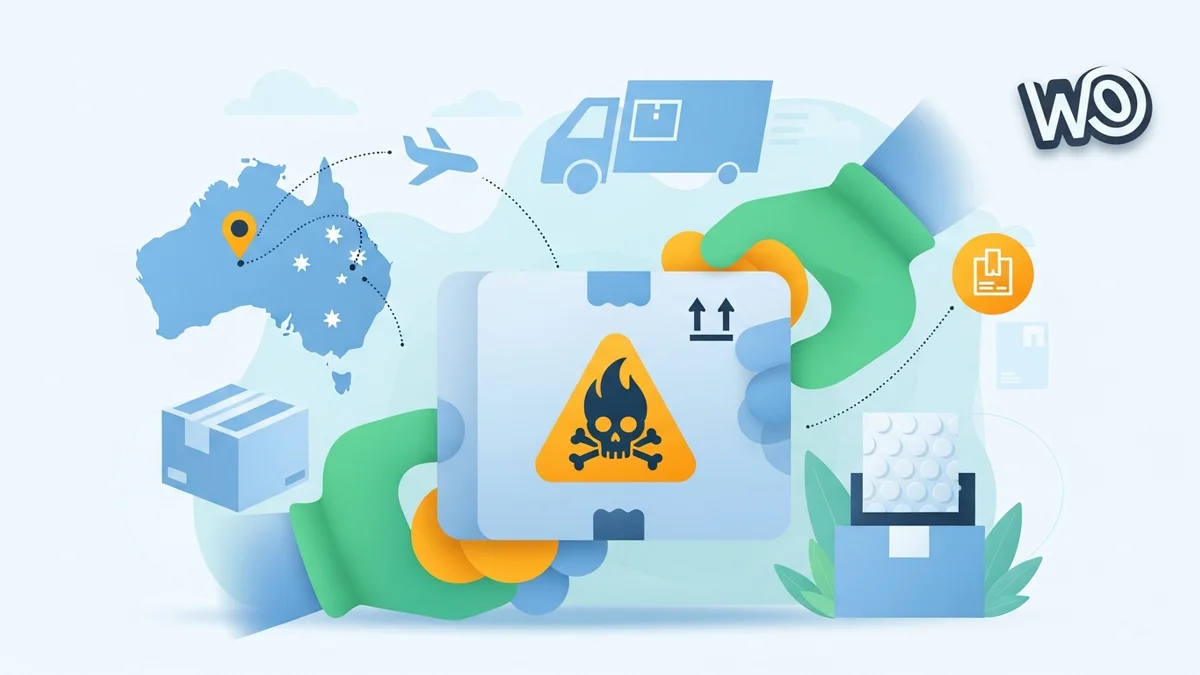
Prohibited items are goods that cannot be sent under any circumstances via Australia Post's international services. These items are universally deemed dangerous, illegal, or pose an unacceptable risk to safety, security, or public health. Attempting to ship prohibited items can lead to severe legal consequences and financial penalties.
Restricted Items: Allowed Under Specific Conditions
Restricted items are goods that may be sent internationally, but only if very specific conditions are met. These conditions typically relate to packaging, labelling, documentation, quantity limits, or obtaining special permits. Successfully shipping restricted items requires meticulous attention to detail and a thorough understanding of the applicable rules.
Common Prohibited Items for International Shipping
While a complete list is extensive and updated regularly, several categories are almost universally prohibited across all international mail services, including Australia Post. WooCommerce merchants must ensure their product catalog does not include these items for international sale.
- Explosives and Flammable Substances: This includes fireworks, ammunition, certain aerosols, lighter fluid, and highly combustible materials. These pose an extreme risk during transit.
- Illegal Narcotics and Drugs: Any illegal drugs, controlled substances, or drug paraphernalia are strictly prohibited and can lead to severe criminal charges.
- Live Animals and Animal Products (some): While some specific animal products might be restricted, live animals are generally prohibited. Certain animal products may also be banned due to conservation laws (e.g., ivory, some furs).
- Firearms and Weapons: Guns, parts of firearms, ammunition, knives, and other weapons are almost always prohibited due to security concerns.
- Toxic and Infectious Substances: Poisons, medical waste, and biological hazards are dangerous goods that cannot be shipped.
- Corrosives: Items like car batteries (unless specific dangerous goods regulations are met for *restricted* goods), cleaning products with strong acids/alkalis.
- Counterfeit Goods: Shipping counterfeit products is illegal and infringes on intellectual property rights, leading to severe penalties.
- Perishables with Short Shelf Life: Items that spoil quickly and cannot withstand transit times without degradation or health risk.
- Human Remains: This includes ashes or any human tissue.
Failing to identify and exclude these items from international orders will result in immediate rejection, seizure by customs, or substantial fines, directly impacting your operational costs and brand reputation.
Key Restricted Items and Their Nuances
Many common e-commerce products fall into the "restricted" category, requiring careful management. Merchants must be diligent in understanding and meeting the specific requirements for each.
Lithium Batteries (Standalone or Contained in Devices)
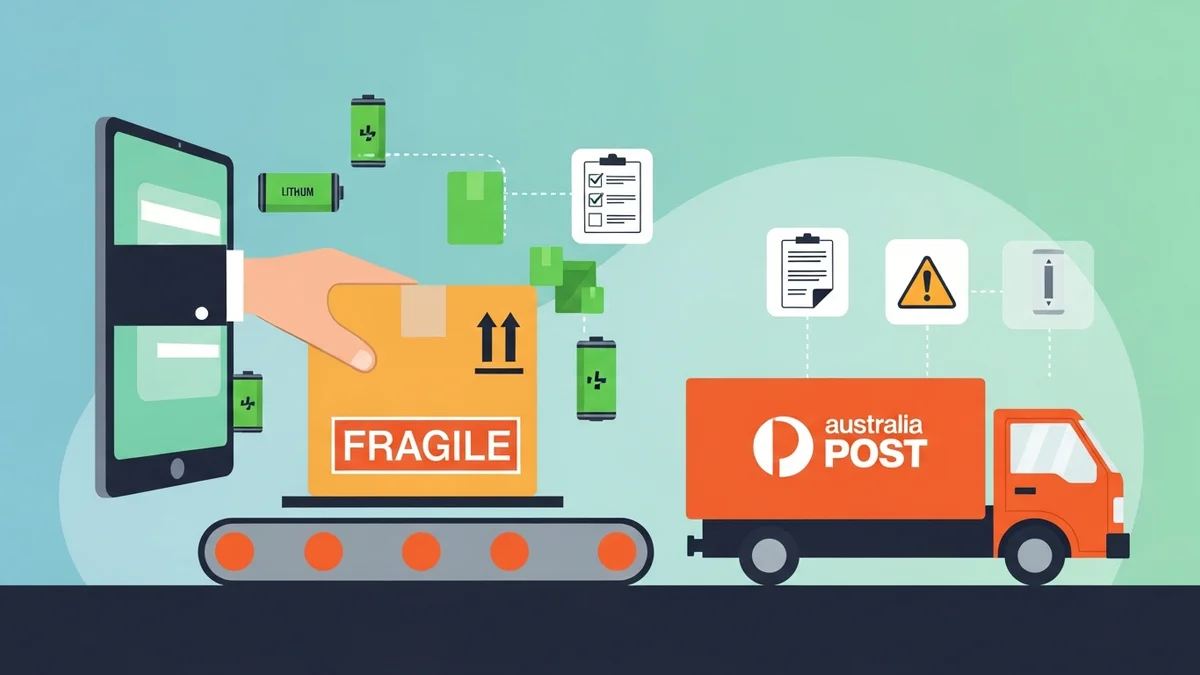
Lithium batteries are a prime example of restricted items due to their potential fire hazard. Regulations depend on whether they are standalone batteries, packed with equipment, or contained within equipment.
- Watt-hour (Wh) Rating: Limits apply to the battery's power. For example, batteries over 100Wh are often completely prohibited, while those between 20Wh and 100Wh may have stricter packing requirements.
- Packaging: Batteries must be individually protected to prevent short circuits, and equipment must be packaged to prevent accidental activation.
- Quantity Limits: Strict limits on the number of batteries or devices containing batteries per package.
- Documentation: Often requires a UN number (e.g., UN3481 for lithium-ion batteries contained in equipment) and specific dangerous goods declarations.
For WooCommerce stores selling electronics like phones, laptops, or power banks, meticulous adherence to these rules is non-negotiable to avoid shipment rejection.
Perfumes, Cosmetics, and Aerosols
Many beauty products contain flammable liquids or gases.
- Flammability: Perfumes (due to alcohol content) and aerosol sprays (e.g., hairspray, deodorants) are often classified as dangerous goods.
- Volume Limits: There are often strict maximum volumes per item and per package.
- Labelling: Specific dangerous goods labels and declarations are usually required.
Failure to declare these correctly can lead to fines and seizures, particularly for high-volume beauty retailers.
Medicines and Supplements
Shipping pharmaceuticals or even health supplements internationally is highly complex.
- Prescription Requirements: Many countries prohibit the import of prescription medicines without a valid local prescription.
- Controlled Substances: Certain medications are classified as controlled substances and are globally restricted or prohibited.
- Import Permits: The recipient may need to obtain an import permit from their local health authority.
- Ingredients: Even over-the-counter supplements can contain ingredients that are banned in other countries.
Always advise customers to check their local regulations before ordering, and clearly state your store's policy on international pharmaceutical shipments.
Alcohol and Tobacco
These products are heavily regulated due to excise duties, health concerns, and age restrictions.
- Licensing: Both the sender and receiver may require specific licences.
- Quantity Limits: Strict limits on the amount that can be imported for personal use.
- Duties and Taxes: High import duties and taxes are almost always applicable, which the customer must pay.
- Destination Bans: Some countries have outright bans on alcohol or tobacco imports (e.g., many Middle Eastern countries).
Merchants selling these goods must conduct thorough research for each destination and clearly communicate potential costs and restrictions to customers.
Agricultural Products, Seeds, and Food Items
These items often face strict quarantine and biosecurity regulations.
- Phytosanitary Certificates: Live plants, seeds, and sometimes even dried herbs may require a phytosanitary certificate from the Australian Department of Agriculture.
- Import Permits: Many countries require import permits for food items to prevent the introduction of pests or diseases.
- Ingredient Restrictions: Specific food ingredients might be banned in certain countries.
- Labelling: Clear ingredient lists and nutritional information are often mandatory.
For gourmet food or gardening supply stores, this is a critical area for compliance.
Destination Country Specific Restrictions
Beyond Australia Post's general rules, every destination country has its own set of unique import regulations, tariffs, and prohibitions. What's permissible for one country might be entirely banned in another.
Research is Non-Negotiable
Before shipping to a new international market, WooCommerce merchants must conduct due diligence. Australia Post provides country-specific guides, but it's often prudent to cross-reference with the destination country's customs website or consult a local customs broker.
Practical Examples:
- New Zealand: Known for strict biosecurity. Many food items, seeds, and even certain types of wooden products are heavily restricted or prohibited without specific permits.
- United States: The FDA has stringent regulations on food, supplements, and cosmetics. Electronic devices may require FCC certification.
- European Union: Products must comply with CE marking, REACH regulations for chemicals, and specific VAT and customs rules.
- Middle East: Many countries have strict bans on alcohol, pork products, and culturally sensitive materials.
This granular level of research is critical for managing risk and ensuring your packages clear customs efficiently, contributing to a smooth customer experience and protecting your profit margins.
International Customs Requirements & Export Declarations
Accurate documentation is the backbone of successful international shipping. Misdeclarations or omissions are leading causes of customs delays, fines, and shipment returns.
Customs Forms (CN22/CN23)
These forms provide customs authorities with essential information about your shipment.
- CN22: Used for smaller, lower-value items (typically under AUD 400). It's a sticker attached to the package.
- CN23: Used for higher-value goods or larger parcels. It requires more detailed information and is usually enclosed in a plastic pouch on the parcel.
- Accurate Description: Crucial to describe contents specifically (e.g., "Men's cotton t-shirt" not just "Clothes"). Avoid vague terms.
- Value Declaration: Declare the true value of the goods. Under-declaring is illegal and can lead to severe penalties.
Ensure these forms are completed digitally if possible, as handwritten forms can lead to legibility issues and errors.
Harmonized System (HS) Codes
An HS code is a standardised numerical classification for traded products.
- Purpose: HS codes are used by customs worldwide to identify products, determine applicable duties, taxes, and ensure compliance with import/export regulations.
- Importance: Providing the correct HS code significantly speeds up customs clearance and ensures the correct duties are assessed. Incorrect codes can lead to delays, incorrect duties, or even seizure.
- Finding Codes: The Australian Border Force (ABF) website or dedicated HS code lookup tools can help you find the appropriate codes for your products.
Integrating HS code functionality into your WooCommerce product data can save significant time and reduce errors.
Commercial Invoice
A detailed commercial invoice is required for most international shipments. It serves as a contract of sale between the seller and buyer and is critical for customs valuation.
- Key Details: Include sender and recipient details, invoice number, date, detailed description of goods, quantity, unit price, total value, currency, weight, terms of sale (Incoterms), and reason for export.
- Multiple Copies: Typically, several copies are required (one for the package, one for the carrier, one for the sender's records).
Automating commercial invoice generation through your WooCommerce platform or shipping software improves efficiency and accuracy.
Value Declaration
The declared value impacts customs duties, taxes, and insurance coverage.
- True Value: Always declare the actual selling price of the goods.
- Insurance: If you've purchased insurance, the declared value will determine the maximum payout in case of loss or damage.
Inaccurately declaring value can result in fines and complicate insurance claims, directly harming your ROI.
Electronic Export Declaration (EDN)
An EDN is required by Australian Customs for goods valued over AUD 2,000 being exported from Australia.
- Purpose: It provides Australian authorities with data on exports for statistical and compliance purposes.
- Process: Can be lodged directly with Australian Border Force or through a licensed customs broker. Some shipping software platforms can also facilitate this.
If your WooCommerce store ships high-value items, understanding EDN requirements is essential to avoid export clearance delays.
Other Permits and Certificates
Depending on the product, additional documentation may be necessary.
- CITES Certificate: For endangered species or products derived from them (e.g., certain woods, shells).
- Health Certificates: For certain food products, especially those of animal origin.
- Certificates of Origin: May be required for preferential tariffs under free trade agreements.
Each additional document adds a layer of complexity but is crucial for specific product categories.
The Impact of Non-Compliance on WooCommerce Merchants
The consequences of failing to adhere to international shipping regulations extend far beyond minor inconveniences. For e-commerce businesses, non-compliance directly erodes profitability and damages brand reputation.
- Shipment Delays and Seizures: Packages with incorrect documentation or prohibited items will be held by customs. This leads to frustrated customers, increased customer service inquiries, and potential chargebacks. Goods may be confiscated or even destroyed.
- Fines and Penalties: Customs authorities can impose substantial fines for incorrect declarations, under-declarations of value, or attempting to ship prohibited items. These can easily outweigh the profit margin on the sale.
- Return Shipping Costs: If a package is rejected, it may be returned to you, incurring additional return shipping costs. In some cases, you might also have to pay duties or taxes on the returned goods.
- Reputational Damage: Consistently delayed or seized shipments lead to negative customer reviews, loss of trust, and a tarnished brand image. This can significantly impact future sales and customer lifetime value.
- Increased Operational Costs: Dealing with customs issues, customer complaints, and re-shipping efforts diverts valuable staff time and resources, decreasing operational efficiency.
- Legal Consequences: For severe breaches, especially involving dangerous or illegal goods, merchants could face legal prosecution in Australia or the destination country.
For an e-commerce manager, understanding these direct financial and reputational risks underscores the critical importance of compliance in every international shipment.
Best Practices for WooCommerce Merchants
Proactive measures are key to mitigating risks and ensuring smooth international shipping operations.
- Conduct a Thorough Product Catalog Audit: Regularly review all products listed for international sale. Categorize them by potential restrictions or prohibitions for common destination countries. Implement a system in your WooCommerce store to block international sales of specific items if necessary.
- Provide Clear, Detailed Product Descriptions: On your WooCommerce product pages and in your internal systems, ensure product descriptions are sufficiently detailed to generate accurate customs declarations. Include materials, purpose, and specific model numbers where relevant.
- Educate Your Customers: Transparency builds trust. Clearly state on your website (e.g., FAQ, shipping policy page) that international customers are responsible for import duties, taxes, and checking their local import restrictions. Use a pop-up or checkout notice for high-risk items.
- Utilise Integrated Shipping Software: Leverage WooCommerce shipping plugins or third-party shipping platforms that integrate with Australia Post. Many of these tools can help automate customs form generation, provide HS code lookup, and flag potential restrictions.
- Stay Updated on Regulations: Customs and shipping regulations change frequently. Subscribe to updates from Australia Post, industry bodies, and relevant government agencies. Regularly review your shipping policies and product restrictions.
- Prioritise Proper Packaging and Labelling: Ensure all packages, especially those containing restricted goods like batteries, are packaged according to Australia Post and IATA (International Air Transport Association) dangerous goods regulations. Use correct dangerous goods labels where required.
- Consider Shipping Insurance: For high-value international shipments, insurance provides a financial safety net against loss or damage, protecting your ROI.
Leveraging Technology for Compliance
Modern e-commerce and shipping solutions offer powerful tools to streamline compliance. WooCommerce plugins can integrate directly with shipping carriers and customs databases.
- Automated HS Code Assignment: Some plugins can suggest or automatically assign HS codes based on product data.
- Digital Customs Forms: Generate CN22/CN23 forms and commercial invoices with pre-filled data, reducing manual entry errors.
- Restriction Checkers: Advanced platforms may offer tools to check basic restrictions for destination countries, though always cross-reference with official sources.
- Real-time Duty & Tax Calculation: Integrate solutions that provide an estimate of duties and taxes at checkout, improving transparency for customers.
Investing in these technologies can significantly reduce the administrative burden of international shipping compliance, allowing you to scale your global operations more efficiently.
Related Articles
Continue your learning with these related resources:
- The Complete Guide to Managing Australia Post Shipping for Your WooCommerce Store (Comprehensive Guide)
- How Volumetric Weight Affects Your Australia Post Costs for WooCommerce Shipments
- Return to Sender vs. Abandon: Optimizing Australia Post Undeliverable Options for WooCommerce
- How to Reduce Packaging Weight to Lower Your Australia Post Costs for WooCommerce Orders
- Navigating Australia Post Dangerous Goods Rules for WooCommerce Stores
- How to Communicate Australia Post Delivery Delays to Your WooCommerce Customers
Conclusion
Navigating Australia Post international shipping restrictions is a critical component of successful global e-commerce. For WooCommerce merchants, understanding the distinction between prohibited and restricted items, meticulously completing customs documentation, and diligently researching destination country regulations are non-negotiable. The costs of non-compliance—ranging from fines and delays to reputational damage—far outweigh the effort required for due diligence.
By implementing best practices, staying informed, and leveraging available technology, your e-commerce business can confidently expand its international reach, ensuring smooth customs clearance, satisfied customers, and a healthy ROI. Proactive compliance isn't just about avoiding penalties; it's about building a robust, reliable, and respected global shipping operation.