Introduction
For e-commerce managers, shipping costs are a significant line item impacting profitability. Managing these expenses effectively, especially with a major carrier like Australia Post, is crucial for sustained growth. While individual parcel rates are fixed, your operational approach to preparing and dispatching orders can dramatically influence your overall cost per parcel.
This article dives into expert strategies for batching your WooCommerce orders. We'll explore how intelligent grouping, combined with optimized packaging and smart service selection, can lead to substantial reductions in your Australia Post shipping expenditures, directly improving your bottom line.
Understanding Australia Post Shipping Costs
Before optimizing, it's essential to understand the primary drivers of Australia Post's shipping charges. These typically include:
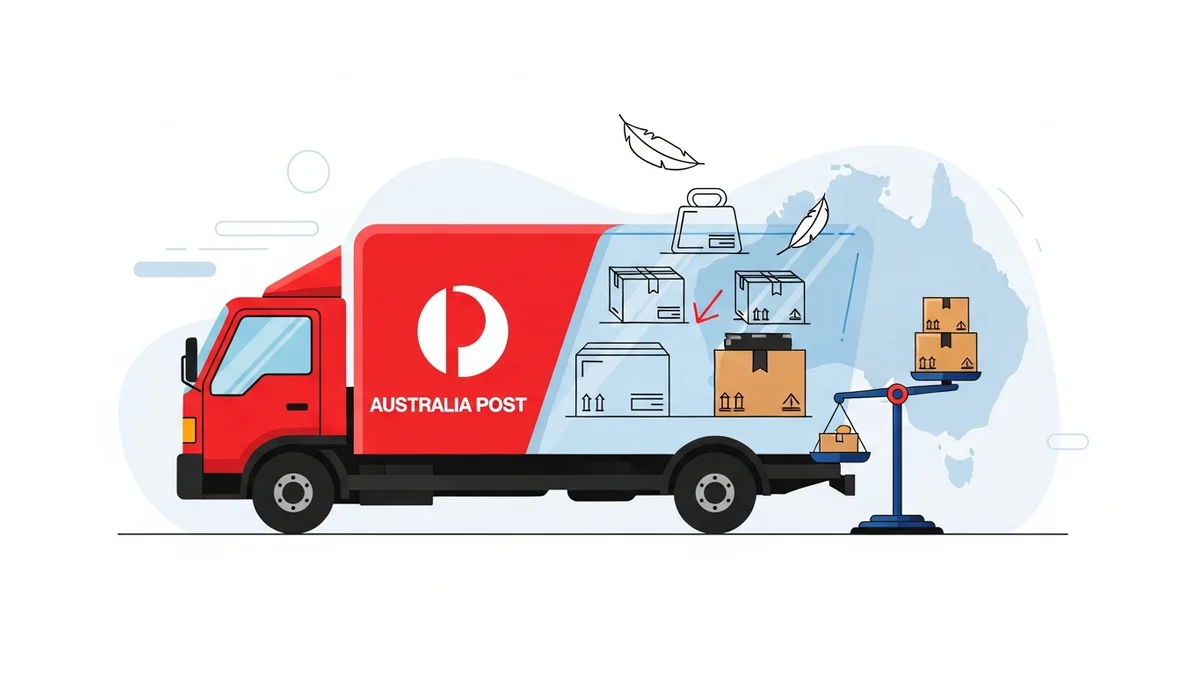
- Weight: The actual weight of your parcel.
- Dimensions: The length, width, and height, which factor into volumetric weight.
- Service Type: The chosen shipping speed and features (e.g., Parcel Post, Express Post, Signature on Delivery).
- Destination: The distance and zone the parcel is travelling to.
- Add-on Services: Insurance, extra cover, or specific delivery instructions.
Often, it's not just the individual parcel cost but the cumulative impact of inefficient processes and suboptimal choices that inflates total shipping expenditure. Addressing these factors through strategic batching can unlock significant savings.
The Power of Batching WooCommerce Orders
Order batching involves grouping multiple WooCommerce orders together for processing and dispatch, rather than handling each one individually. This operational shift can yield considerable cost reductions in several key areas.
What is Order Batching?
Batching means performing similar tasks for multiple orders consecutively. Instead of picking, packing, labelling, and manifesting one order at a time, you might:
- Pick all items for 20 orders at once.
- Pack 10 similar-sized orders in a row.
- Print all shipping labels for the day in a single run.
- Manifest all parcels to Australia Post as a single daily consignment.
This approach transforms a series of individual, time-consuming actions into a streamlined workflow, reducing redundant steps and improving overall efficiency.
How Batching Reduces Shipping Costs
Batching doesn't directly alter Australia Post's per-parcel rate, but it significantly impacts the indirect and operational costs associated with shipping. This leads to a lower effective cost per parcel.
- Increased Operational Efficiency: By minimizing context switching and repetitive tasks, your team can process more orders in less time. This translates to lower labour costs per order, freeing up resources for other critical business functions.
- Optimized Material Usage: Batching allows for better planning of packaging materials. You might be able to use a consistent box size for a batch of similar products, reducing waste and potentially qualifying for bulk discounts on supplies.
- Streamlined Label Generation: Generating labels for a batch of orders through a WooCommerce integration or a shipping platform is faster than creating them individually. This reduces processing time and the chance of manual errors.
- Consolidated Pickups/Drop-offs: Instead of multiple trips to the post office or several individual pickup requests, batching allows for a single, larger consignment. This can reduce transportation costs and time, or even lead to better terms with Australia Post for scheduled pickups if your volume justifies it.
- Reduced Transactional Fees: If your shipping software or Australia Post account charges per transaction or label generation, batching can consolidate these, potentially reducing cumulative micro-fees.
Strategic Packaging for Cost Savings
Packaging choices are paramount when shipping with Australia Post. Every extra gram and cubic centimetre can translate to higher costs, especially due to volumetric weight calculations.
Minimize Parcel Size and Weight
The golden rule is to use the smallest possible packaging that adequately protects your product. Oversized boxes filled with void fill increase both actual and volumetric weight.
- Right-Sized Packaging: Invest in a variety of box sizes or explore adjustable packaging options. For example, if you frequently ship apparel, consider poly mailers or satchels instead of boxes when appropriate.
- Lightweight Materials: Opt for lightweight yet durable packaging materials. Corrugated cardboard comes in various strengths; choose one that meets protection needs without being excessively heavy.
- Eliminate Unnecessary Fillers: While void fill is important, ensure you're not overdoing it. Air pillows or kraft paper can be efficient, but excessive use adds weight and volume.
Impact on Volumetric Weight
Australia Post, like most carriers, uses volumetric weight (or cubic weight) to determine shipping costs if it exceeds the actual weight. This calculation reflects how much space a parcel takes up on a vehicle.
Australia Post Volumetric Weight Formula: Length (m) x Width (m) x Height (m) x 250 (kg/m³)
If the calculated volumetric weight is higher than the actual weight, you'll be charged based on the volumetric weight. This is a critical factor for reducing costs.
Mastering Volumetric Weight to Save
Actively managing volumetric weight is one of the most impactful ways to reduce your Australia Post shipping expenses.
Strategies to Reduce Volumetric Weight
Every centimetre counts. Focus on compacting your parcels without compromising product safety.
- Fold and Compress: For soft goods like clothing or textiles, fold them tightly and compress them before placing them in a poly mailer or small satchel.
- Minimize Internal Void: Use packaging inserts or custom foam cut-outs to snugly fit products, eliminating empty space within the box.
- Choose Appropriate Void Fill: If void fill is necessary, select lightweight options like air pillows or crinkle paper. Avoid heavy packing peanuts if possible.
- Consider Mailer Bags: For non-fragile items, flexible mailer bags (poly mailers) conform to the product's shape, often resulting in lower volumetric weight than a rigid box.
Practical Example: Shipping a t-shirt in a 30x20x5cm box vs. a 25x18x2cm poly mailer. The box, even if light, might incur a higher volumetric weight charge than the much smaller, lighter mailer, even if the actual weight is identical.
Optimizing Australia Post Service Selection
Australia Post offers various services, each with different pricing structures and delivery speeds. Choosing the right service for each order is crucial for cost control.
Comparing Australia Post Services
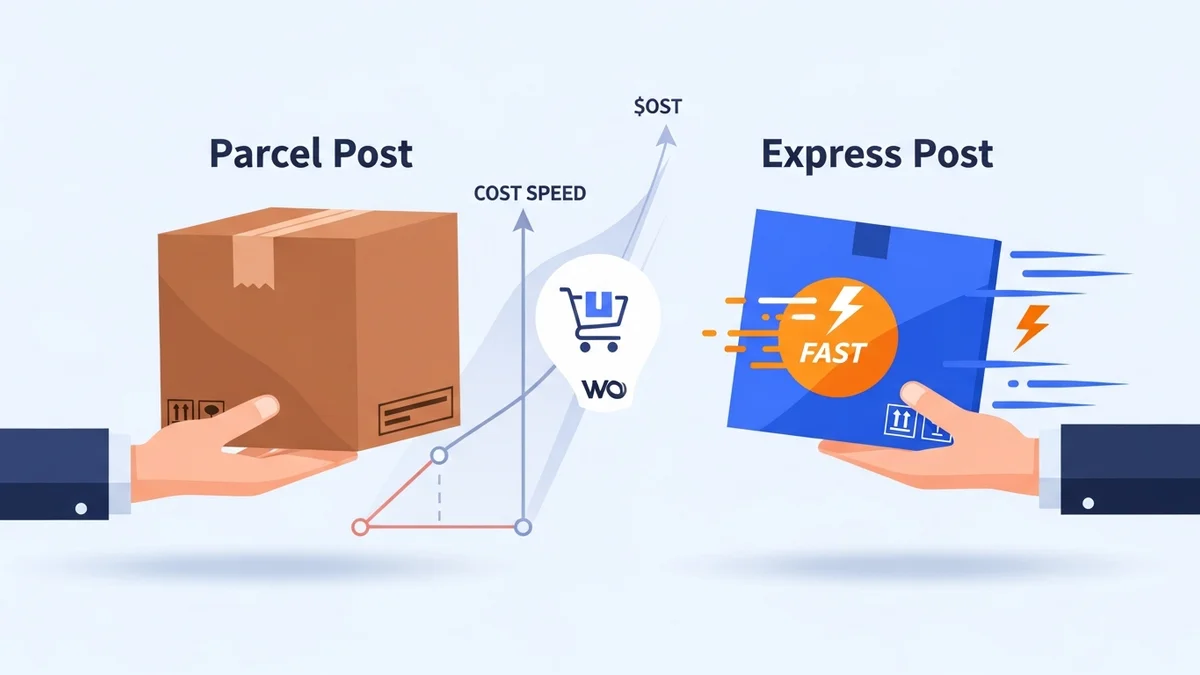
- Parcel Post: Generally the most economical option for standard delivery times across Australia. Ideal for non-urgent shipments.
- Express Post: Offers faster delivery, usually next business day within the Express Post network. Pricier than Parcel Post, reserve it for urgent orders.
- Letter Post (for small items): For very small, flat, non-fragile items (e.g., jewellery, stickers, small parts), consider if they fit Australia Post's large letter requirements. This can be significantly cheaper than parcel rates.
- Flat Rate Satchels: If your products fit within specific weight limits and Australia Post's pre-paid satchels, these can offer predictable and competitive pricing, especially for regional deliveries where zone-based pricing might otherwise be higher.
When to Use Which Service
- Default to Parcel Post: Unless the customer explicitly pays for faster shipping, Parcel Post should be your standard.
- Offer Express as an Upgrade: Provide Express Post as an option at checkout, allowing customers to bear the premium cost for speed.
- Explore Letter Post for Eligible Products: Audit your product catalogue for items that could qualify for large letter rates, significantly reducing costs for these specific SKUs.
- Utilize Flat Rate Satchels: Integrate the use of Australia Post's flat-rate satchels into your packaging strategy for items that fit perfectly.
Consolidating Shipments
While less common for direct-to-consumer, if you have multiple orders going to the same business or address, consolidating them into a single, larger parcel can save on individual parcel charges and tracking fees. This requires careful coordination but can be effective for B2B segments.
Leveraging WooCommerce Tools and Integrations
WooCommerce offers a robust ecosystem of plugins and integrations that can significantly streamline your batching and shipping processes, leading to cost savings.
Plugins for Batch Processing
Dedicated WooCommerce shipping plugins can help you:
- Generate Labels in Bulk: Many plugins integrate directly with Australia Post's API, allowing you to generate and print dozens or hundreds of shipping labels simultaneously. This eliminates manual data entry and saves considerable time.
- Automate Manifest Creation: Create daily manifests for Australia Post with a single click, summarizing all shipments for pickup or drop-off.
- Rate Shopping: Some advanced plugins allow you to compare rates from different carriers or different Australia Post services, ensuring you always select the most cost-effective option for each order.
- Custom Packaging Rules: Set up rules to automatically select the most appropriate (and cost-effective) packaging based on product dimensions and weight, often factoring in volumetric weight.
Look for plugins that offer features like "bulk label printing," "order processing automation," and "shipping rules" to maximize your batching efficiency.
Data Analysis for Cost Optimization
Use your WooCommerce order data and shipping reports to identify trends and areas for improvement:
- Analyze Shipping Zones: Understand which regions are most expensive to ship to and if alternative services or packaging could reduce costs for those zones.
- Review Packaging Effectiveness: Regularly audit your packaging choices. Are you consistently using oversized boxes? Could smaller satchels be used for certain products?
- Monitor Volumetric Weight Impact: Track which products or product combinations frequently trigger volumetric weight charges and adjust packaging accordingly.
- Track Service Utilization: Ensure you're not overusing Express Post when Parcel Post would suffice, based on customer preferences and delivery expectations.
Actionable Steps for Implementation
Putting these strategies into practice requires a systematic approach. Start with an audit and gradually implement changes.
- Audit Current Shipping Process: Document every step of your current order fulfillment and shipping process. Identify bottlenecks and areas of inefficiency.
- Evaluate Packaging: Review your product range and current packaging. Can you consolidate box sizes? Can lighter or smaller packaging be used for any items?
- Implement Batching Workflows: Define specific times each day for batch processing orders. Train staff on the new workflow for picking, packing, and label generation.
- Utilize WooCommerce Integrations: Research and implement a WooCommerce shipping plugin that streamlines label creation, manifest generation, and potentially rate shopping with Australia Post.
- Monitor and Adjust: Regularly review your Australia Post invoices and shipping data. Compare actual costs against your targets. Are the changes yielding the expected savings? Adjust your strategies as needed.
- Educate Your Team: Ensure everyone involved in shipping understands the importance of minimizing parcel size, selecting the correct service, and the impact of volumetric weight.
Related Articles
Continue your learning with these related resources:
- The Complete Guide to Managing Australia Post Shipping for Your WooCommerce Store (Comprehensive Guide)
- How Volumetric Weight Affects Your Australia Post Costs for WooCommerce Shipments
- Return to Sender vs. Abandon: Optimizing Australia Post Undeliverable Options for WooCommerce
- How to Reduce Packaging Weight to Lower Your Australia Post Costs for WooCommerce Orders
- Navigating Australia Post Dangerous Goods Rules for WooCommerce Stores
- How to Communicate Australia Post Delivery Delays to Your WooCommerce Customers
Conclusion
Reducing Australia Post shipping costs for your WooCommerce store is not about cutting corners, but about smarter operations. By embracing order batching, optimizing your packaging to minimize both actual and volumetric weight, and making informed decisions about Australia Post service selection, you can significantly enhance your operational efficiency and profitability.
These strategies, when combined with the right WooCommerce tools, empower e-commerce managers to turn shipping from a significant overhead into a manageable, cost-effective part of their business model. Start implementing these changes today to see a tangible impact on your bottom line.