Introduction
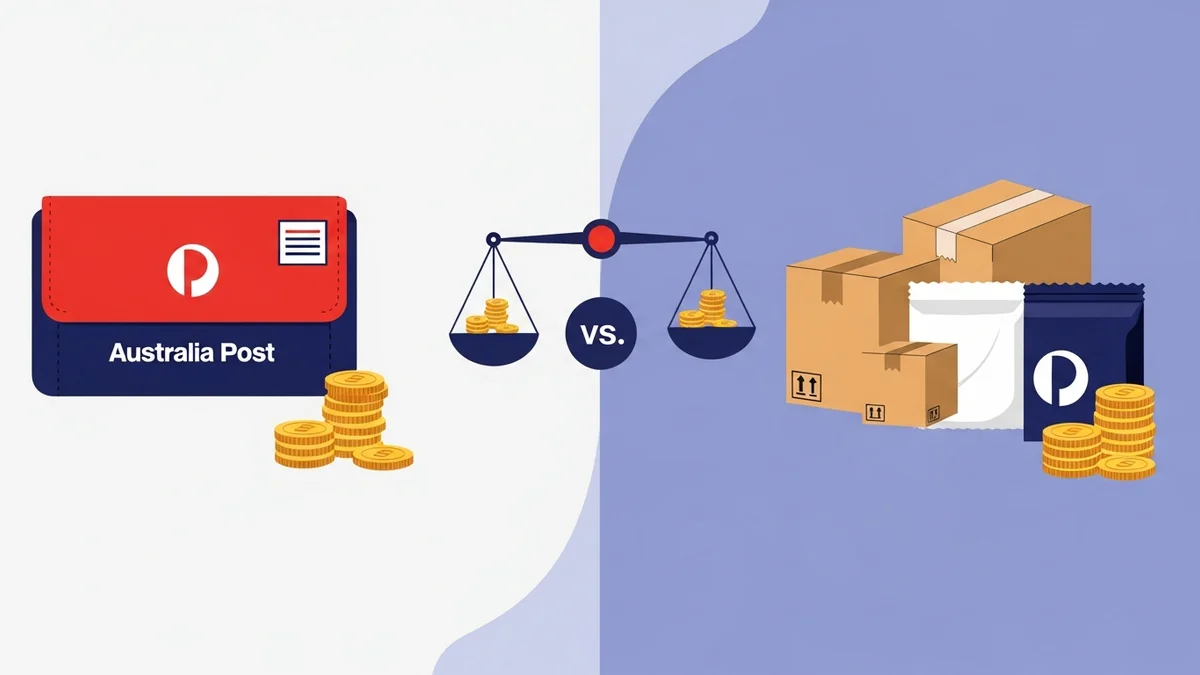
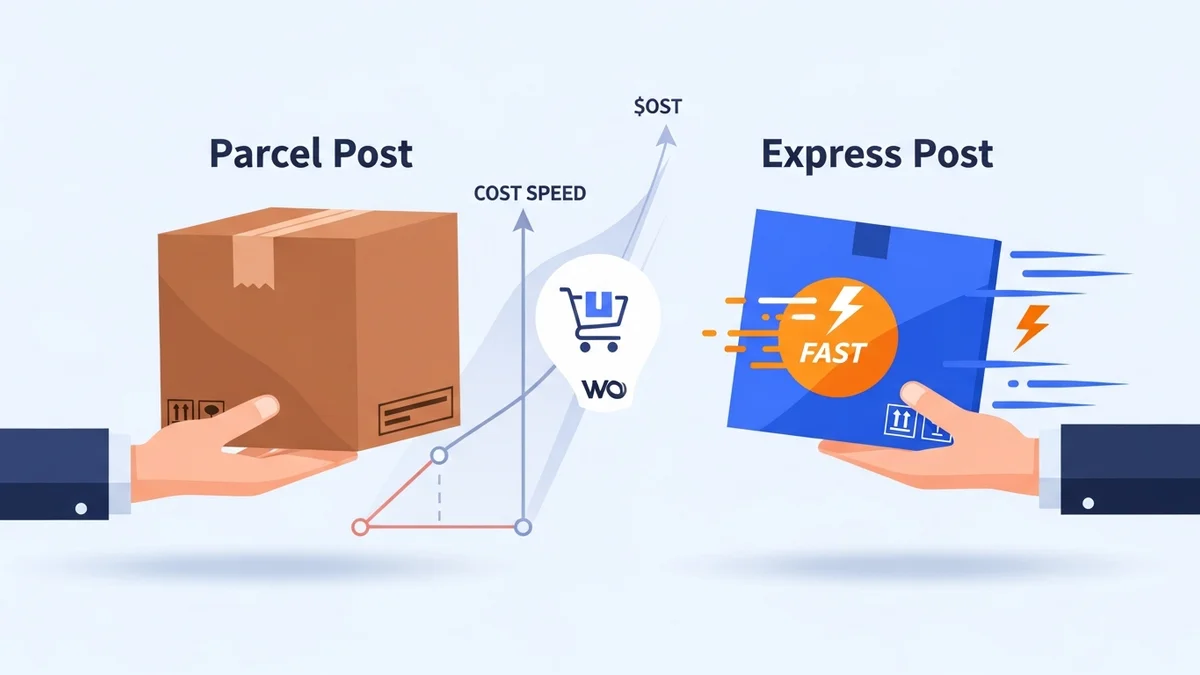
As a WooCommerce store owner, balancing shipping costs with customer expectations is a constant challenge. Australia Post offers various services, and two of the most popular for e-commerce are Parcel Post and Express Post. While Express Post promises faster delivery, it comes at a higher price.
The crucial question is: when is that extra cost for an upgrade truly worth it for your business? This detailed comparison will help you understand the differences, weigh the pros and cons, and determine the optimal shipping strategy for your products and customers.
Understanding Australia Post's Key Services
Before diving into the decision-making process, let's clarify what each service entails. Both Parcel Post and Express Post are reliable domestic shipping options provided by Australia Post, but they cater to different needs regarding speed and cost.
Parcel Post: The Standard Choice
Parcel Post is Australia Post's standard domestic delivery service. It's the go-to option for most businesses and consumers when speed isn't the absolute top priority. It offers a balance of affordability and dependable delivery across Australia.
- Cost-Effectiveness: Generally the most economical option for sending parcels.
- Delivery Times: Offers standard delivery times, typically ranging from 2 to 6 business days, depending on the origin and destination. Deliveries to regional or remote areas can take longer.
- Tracking: Includes tracking, allowing both you and your customer to monitor the parcel's journey online.
- Coverage: Delivers to all locations across Australia.
- Key Feature: Ideal for non-urgent items where customers value lower shipping costs over rapid delivery.
Express Post: The Premium Option
Express Post is designed for speed, offering Australia Post's fastest domestic delivery service. It's the preferred choice when parcels need to arrive quickly, making it a premium option for time-sensitive deliveries.
- Speed: Provides the fastest possible delivery. In most major metropolitan areas and regional centres, this means next-business-day delivery. For other areas, it's the fastest available service.
- Higher Cost: Significantly more expensive than Parcel Post due to the expedited service.
- Enhanced Tracking: Offers comprehensive tracking, often with more frequent updates, and a strong commitment to quick delivery.
- Coverage: Available across Australia, with specific next-business-day guarantees for eligible postcodes.
- Key Feature: Crucial for urgent items, gifts, or when offering a premium delivery experience is a priority.
Factors to Consider When Choosing Between Parcel Post and Express Post
The decision to upgrade from Parcel Post to Express Post isn't one-size-fits-all. It requires a careful evaluation of several factors unique to your WooCommerce store, your products, and your customers.
Customer Expectations and Urgency
Understanding what your customers expect from their shipping experience is paramount. Some customers prioritise the lowest possible cost, while others are happy to pay more for speed and convenience.
- Product Type: Are you selling everyday essentials, unique gifts, or time-sensitive items? For example, a customer buying a birthday present might be willing to pay for Express Post to ensure it arrives on time, whereas someone buying a bulk order of non-perishable goods might prefer the cheaper Parcel Post.
- Communication: Clearly communicate estimated delivery times for both options at checkout. This transparency helps manage expectations and allows customers to make an an informed choice.
- Market Niche: Your target audience might naturally lean towards one option. A store selling luxury goods might find more customers opting for Express Post, while a budget-friendly store might see Parcel Post as the dominant choice.
Product Type and Value
The nature and value of the products you sell should heavily influence your shipping choice. Not all items benefit equally from expedited shipping.
- Perishable Goods: For items like gourmet foods, fresh flowers, or certain supplements, Express Post might be essential to ensure freshness and quality upon arrival. The upgrade isn't just worth it; it's often a necessity.
- High-Value Items: While both services offer tracking, reducing transit time for expensive electronics, jewellery, or artwork can minimise the risk of loss or damage. Customers paying a premium for a product might also expect premium delivery.
- Low-Value or Commodity Items: For inexpensive items or those readily available elsewhere, the added cost of Express Post often doesn't make sense for you or your customer. Parcel Post is usually sufficient.
Profit Margins and Shipping Costs
Shipping costs directly impact your store's profitability. A higher shipping fee, whether absorbed or passed on, needs to be justified by the value it brings.
- Cost Analysis: Calculate the exact difference in cost between Parcel Post and Express Post for your typical parcel sizes and destinations. Understand how this impacts your net profit per sale.
- Pricing Strategy: Can your product pricing absorb the Express Post cost, or will you pass it entirely to the customer? If you pass it on, will customers still choose it? If you absorb it, does the increased customer satisfaction or conversion rate outweigh the reduced profit?
- Average Order Value (AOV): For higher AOV orders, the percentage increase in shipping cost might be less impactful. For low AOV orders, the Express Post premium can be a significant portion of the total transaction.
Competitive Landscape
Take a look at what your competitors are offering. Are they providing next-day delivery? Is it standard, or an optional upgrade?
- Meeting Expectations: If all your direct competitors offer Express Post as a standard or readily available option, you might need to do the same to remain competitive, especially for certain product categories.
- Differentiating Your Store: Conversely, if many competitors only offer standard shipping, providing a reliable Express Post option can be a significant competitive advantage that attracts customers willing to pay for speed.
Reliability and Tracking Needs
Both services offer tracking, but the level of detail and the delivery commitment can differ, influencing both your and your customer's peace of mind.
- Guaranteed Delivery: Express Post offers a next-business-day delivery guarantee for eligible routes, which can be crucial for time-sensitive orders. Parcel Post does not offer such a guarantee.
- Customer Service: Faster, more reliable delivery can lead to fewer "Where is my order?" inquiries and higher customer satisfaction. For critical deliveries, the stronger commitment of Express Post reduces stress for everyone involved.
Geographic Considerations
Australia is a vast country, and delivery times vary significantly based on location.
- Remote Areas: For customers in regional or remote areas, Parcel Post can take considerably longer. Express Post, while still potentially slower than next-day in these areas, will almost always be the fastest option available.
- Local Deliveries: If a significant portion of your customer base is local, the difference in speed might be negligible or less critical, making Parcel Post a perfectly viable and cheaper option.
When Is the Upgrade Worth the Cost? Practical Scenarios for WooCommerce Stores
Let's look at specific situations where investing in Express Post genuinely pays off for your WooCommerce store.
Scenario 1: When the Customer is Willing to Pay
This is arguably the most straightforward scenario. If your customers actively choose and pay for Express Post at checkout, then the upgrade is undoubtedly worth it. This indicates a direct demand for faster shipping that they value above the cost.
- Actionable Insight: Always offer both Parcel Post and Express Post as options. Let your customers decide based on their own urgency and budget. Clearly display the cost difference and estimated delivery times.
Scenario 2: Time-Sensitive Products or Occasions
Certain products or purchasing contexts inherently demand speed. Failing to deliver on time can lead to significant customer disappointment or product spoilage.
- Examples:
- Gifts: Birthday presents, anniversary gifts, or holiday purchases where a specific arrival date is critical.
- Event Merchandise: Items for a concert, festival, or sporting event that must arrive before the event date.
- Perishable Goods: Fresh food, flowers, live plants, or certain medical supplies where rapid transit is essential for product integrity.
- Seasonal Items: Costumes for Halloween, specific outfits for a themed party, or promotional materials for a launch event.
- Actionable Insight: For these categories, consider making Express Post the default or heavily promoting it. You might even factor a portion of the Express Post cost into the product price if it's a critical component of the value proposition.
Scenario 3: High-Value or Fragile Items
For products that are expensive, delicate, or irreplaceable, reducing the time they spend in transit can significantly mitigate risks.
- Examples: Expensive electronics, bespoke jewellery, delicate artwork, vintage collectibles.
- Actionable Insight: While both services offer tracking, the quicker transit time of Express Post means less opportunity for handling errors or loss. For these items, the peace of mind for both you and your customer can justify the higher cost. Consider offering Express Post as the only shipping option for very high-value items, or heavily recommending it.
Scenario 4: Customer Service Recovery and Replacements
Sometimes things go wrong – a product arrives damaged, or the wrong item was sent. In these situations, quickly rectifying the issue can turn a negative experience into a positive one.
- Actionable Insight: When sending a replacement item, especially if the original order was delayed or problematic, using Express Post can demonstrate exceptional customer service. It shows you value your customer's time and are committed to making things right promptly. This investment can significantly boost customer loyalty and positive word-of-mouth.
Scenario 5: Gaining a Competitive Advantage
In a crowded e-commerce market, offering superior service can set you apart. If your competitors primarily offer standard shipping, having a fast, reliable Express Post option can be a strong differentiator.
- Actionable Insight: Analyse your competition. If faster delivery is a gap in their service, filling it with Express Post can attract customers who prioritise speed. You might even highlight your Express Post options in your marketing to draw attention to this benefit.
Scenario 6: Expedited Delivery to Remote or Regional Areas
While Parcel Post can take a week or more to reach some regional and remote parts of Australia, Express Post will still deliver significantly faster, even if it's not always next-business-day.
- Actionable Insight: If you frequently ship to remote areas and customer satisfaction is tied to receiving products promptly, Express Post can bridge the geographical gap. Inform customers in these areas about the significant time savings Express Post offers compared to Parcel Post.
Strategies for Managing Shipping Choices in WooCommerce
Implementing your shipping strategy effectively within your WooCommerce store is crucial for seamless operations and clear communication with customers.
Offer Both Shipping Options Clearly
The best approach for most WooCommerce stores is to offer both Parcel Post and Express Post. This gives your customers the power of choice, aligning with their individual needs and budgets.
- WooCommerce Setup: Utilise WooCommerce's built-in shipping zones and methods. Create distinct shipping methods for "Standard Shipping (Parcel Post)" and "Express Shipping (Express Post)" within your relevant shipping zones (e.g., "Australia").
- Plugin Integration: Consider using dedicated Australia Post shipping plugins for WooCommerce. While these plugins enhance the checkout experience by displaying available shipping options to your customers, it's crucial to understand that the actual postage rates are calculated and managed within your Australia Post business portal, not by the plugin itself. Plugins primarily help integrate these options seamlessly into your store, streamlining the selection process and reducing manual effort for displaying choices.
Transparent Pricing and Estimated Delivery Times
Customers appreciate clarity. Be upfront about shipping costs and realistic about delivery expectations.
- At Checkout: Clearly display the cost for both Parcel Post and Express Post. Alongside the price, provide an estimated delivery timeframe (e.g., "2-6 business days" for Parcel Post, "1-3 business days" for Express Post).
- Product Pages: Include a general shipping information section on product pages, linking to a more detailed shipping policy page. This allows customers to understand options before adding to cart.
Strategic Free Shipping Offers
Free shipping can be a powerful incentive, but it needs to be managed carefully to protect your margins.
- Free Parcel Post: Offer free Parcel Post for orders exceeding a certain threshold (e.g., $100). This encourages larger orders and uses your most economical shipping option.
- Charge for Express Post: Even when offering free standard shipping, you can still charge for Express Post. Customers who truly need speed will still opt for it, covering the additional cost.
- Membership Programs: If you have a loyalty program, consider offering free Express Post to your most valued members as a premium perk.
Leverage WooCommerce Shipping Plugins
For Australian WooCommerce stores, several plugins can greatly simplify and automate the shipping process by facilitating the display of options and label printing for both Parcel Post and Express Post.
- Label Printing: Many plugins also allow you to print Australia Post shipping labels directly from your WooCommerce dashboard, streamlining your fulfilment process for both services.
Communicate Proactively with Customers
Good communication can enhance the post-purchase experience, regardless of the shipping speed chosen.
- Order Confirmation: In your order confirmation emails, reiterate the chosen shipping method and estimated delivery timeframe.
- Tracking Information: Always provide tracking numbers as soon as the parcel is dispatched.
- Delay Notifications: If there are unforeseen delays (e.g., due to extreme weather or public holidays), proactively inform customers. This manages expectations and reduces frustration.
Related Articles
Continue your learning with these related resources:
- The Complete Guide to Managing Australia Post Shipping for Your WooCommerce Store (Comprehensive Guide)
- How Volumetric Weight Affects Your Australia Post Costs for WooCommerce Shipments
- Return to Sender vs. Abandon: Optimizing Australia Post Undeliverable Options for WooCommerce
- How to Reduce Packaging Weight to Lower Your Australia Post Costs for WooCommerce Orders
- Navigating Australia Post Dangerous Goods Rules for WooCommerce Stores
- How to Communicate Australia Post Delivery Delays to Your WooCommerce Customers
Conclusion
The decision between Parcel Post and Express Post is a strategic one for any WooCommerce store. There's no single "right" answer; instead, the upgrade to Express Post is worth the cost when it aligns with your specific business goals, product characteristics, and – most importantly – your customer's expectations and willingness to pay.
By carefully considering factors like product urgency, value, profit margins, and competitive landscape, you can make informed choices that optimise both your operational costs and customer satisfaction. Offer both options, communicate transparently, and leverage WooCommerce's capabilities to empower your customers and build a robust, flexible shipping strategy.