Introduction
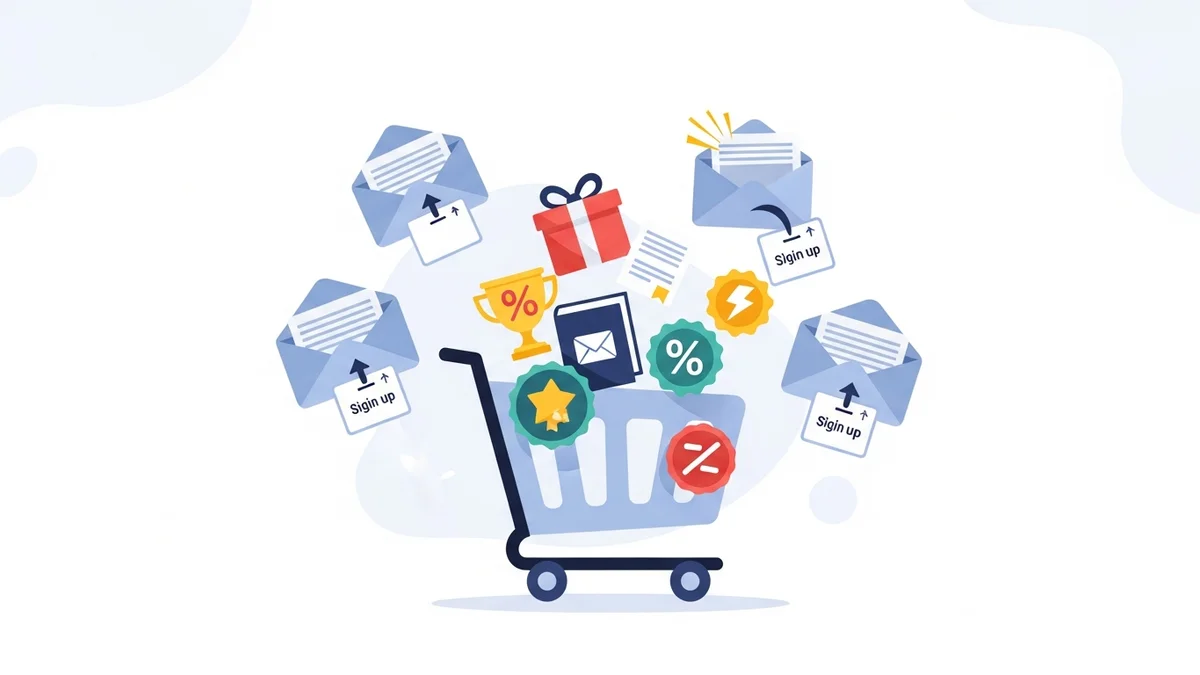
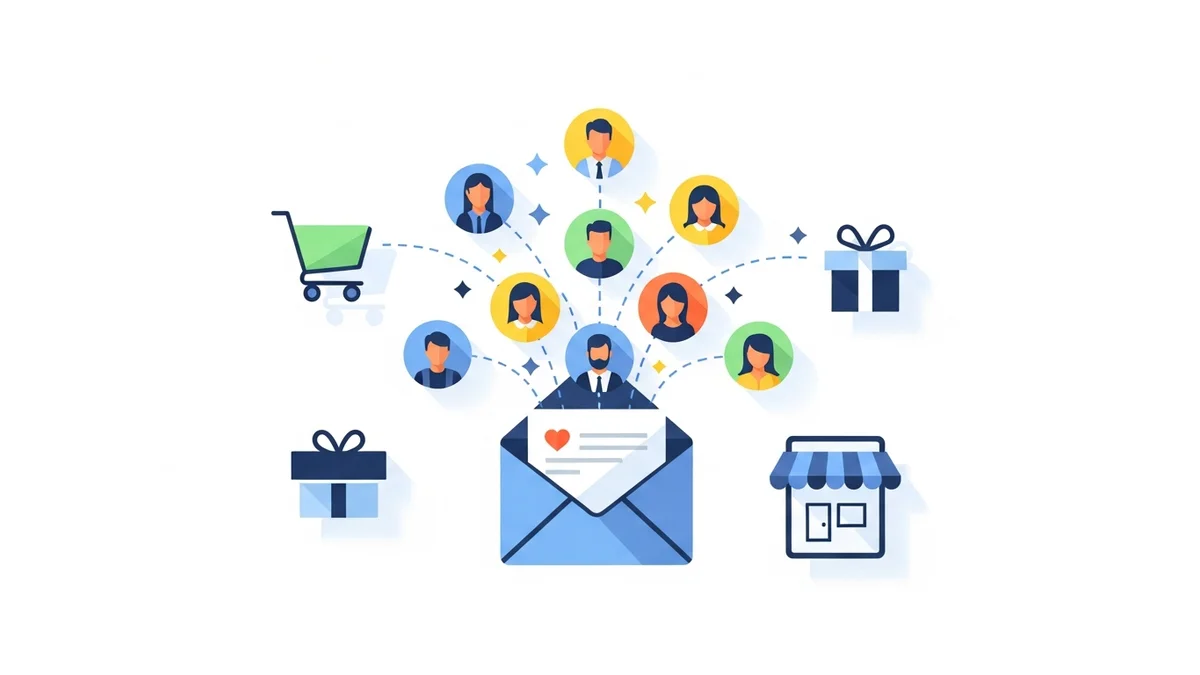
For any WooCommerce store, an engaged email list is a powerful asset, driving repeat purchases, fostering customer loyalty, and serving as a direct communication channel. While the checkout opt-in is a foundational step, it often captures only a fraction of potential subscribers. Smart marketing professionals understand that to truly scale their customer engagement and automation efforts, they must look beyond this single touchpoint.
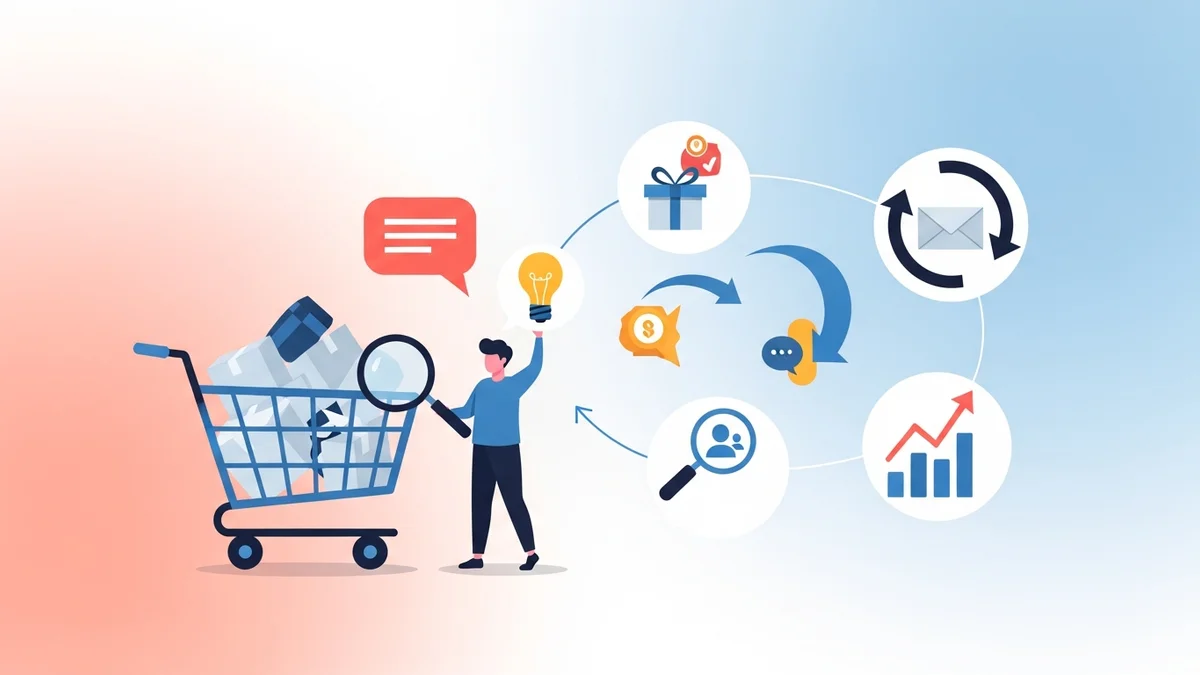
This guide explores comprehensive, actionable strategies to significantly grow your WooCommerce email list. We'll delve into effective incentives, strategic on-site placements, ingenious post-purchase opportunities, and methods to re-engage customers who haven't yet opted in. By implementing these tactics, you can transform your subscriber acquisition, fueling more successful campaigns and a stronger customer base.
The Checkout Opt-in: A Starting Point, Not the Finish Line
The checkout page provides a critical, high-intent moment for customers to opt-in to marketing communications. It's essential to ensure this option is clear, compliant, and easy to select. However, many potential customers may not reach this stage, or they might opt out during checkout if their focus is solely on completing the purchase.
While important, relying solely on this method leaves substantial growth opportunities untapped. A holistic approach involves capturing interest at various stages of the customer journey, from initial browsing to post-purchase engagement, ensuring you build a robust and highly targeted subscriber list for your chosen email service provider.
Strategic On-Site Promotions for List Growth
Your WooCommerce store offers numerous opportunities to invite visitors to join your email list before they even consider a purchase. Proactive on-site promotions can significantly boost your subscriber numbers by engaging users at different points in their browsing experience.
Intelligent Pop-ups and Slide-ins
Well-timed and designed pop-ups are incredibly effective for capturing email addresses. Instead of being intrusive, they can be highly relevant when strategically implemented. Leverage different triggers to maximize their impact and minimize disruption to the user experience.
- Exit-Intent Pop-ups: These appear when a user is about to leave your site. They are non-disruptive to browsing and can present a final, compelling offer to capture their email before they go.
- Time-Based Pop-ups: Display after a user has spent a certain amount of time on a page, indicating engagement and interest. This ensures the offer is shown to more invested visitors.
- Scroll-Based Pop-ups: Trigger when a user scrolls a specific percentage down a page, suggesting they've absorbed some content and might be receptive to an offer.
- Click-Triggered Pop-ups: Appear when a user clicks a specific button or link. This method is highly effective as it indicates explicit interest in the presented offer.
Always ensure pop-ups are mobile-friendly and easy to close. A/B test different designs, copy, and timing to find what resonates best with your audience.
Embedded Forms and Dedicated Landing Pages
Not all users respond to pop-ups, so providing static opt-in opportunities is crucial. These forms integrate seamlessly into your site's design, offering a less intrusive way for interested visitors to subscribe.
- Footer Forms: A standard placement, easily accessible from any page. Keep it concise, often just an email field and a strong call to action.
- Blog Post Forms: If you have a content marketing strategy, embed forms within relevant blog posts. For example, a form at the end of a "Top 10 Skincare Tips" article could offer a "Free Skincare Routine Planner" in exchange for an email.
- Sidebar Widgets: A consistent presence on content-rich pages, offering a quick way to subscribe.
- Dedicated Landing Pages: Create specific pages optimised solely for email capture, often linked from social media campaigns or paid ads. These pages can provide more space to explain the benefits of subscribing.
Gamified Opt-ins and Quizzes
Adding an element of fun and interaction can significantly increase opt-in rates. Gamified experiences leverage curiosity and the desire for reward, making the subscription process more engaging.
- Spin-the-Wheel Offers: Users spin a virtual wheel to win a discount or prize, with an email required to claim it. This creates excitement and a sense of immediate gratification.
- Interactive Quizzes: Develop quizzes related to your products or industry (e.g., "Find Your Perfect Coffee Blend"). Require an email address to see the results or receive personalised recommendations.
These methods not only capture emails but also provide valuable insights into customer preferences, allowing for better segmentation and targeted marketing in the future.
Compelling Opt-in Incentives That Convert
People are more likely to share their email addresses when they perceive clear value in return. A strong incentive makes the "cost" of providing an email address worthwhile. Consider what truly motivates your target audience and align your offer accordingly.
Discounts and First-Purchase Offers
One of the most effective incentives is a direct financial benefit. Offering a discount on a first purchase immediately creates a tangible reason for someone to subscribe. This strategy not only grows your list but also encourages immediate conversion.
- Percentage-Off: "Get 15% off your first order!" This is a universally appealing offer.
- Fixed Amount Discount: "Save $10 on your next purchase of $50 or more." Good for higher-value products.
- Free Gift with Purchase: "Subscribe and receive a free sample pack with your first order." Adds value without directly cutting into profit margins on the main item.
Ensure the discount code is delivered promptly via email, reinforcing the value of subscribing and setting a positive first impression.
Exclusive Content and Early Access
For audiences interested in being "in the know" or part of an exclusive community, non-monetary incentives can be highly effective. These offers build a sense of belonging and perceived value that goes beyond a simple discount.
- VIP Access: Early access to sales, new product launches, or limited editions. This creates urgency and makes subscribers feel special.
- Exclusive Guides or Ebooks: If you sell fitness equipment, offer a "Beginner's Guide to Home Workouts." This positions your brand as an expert and provides genuine value.
- Behind-the-Scenes Content: Share unique insights into your brand's process, sustainability efforts, or team. This builds transparency and connection.
Free Shipping or Product Samples
Shipping costs are a common deterrent for online shoppers. Offering free shipping in exchange for an email address can be a powerful motivator, especially for smaller purchases where shipping might represent a significant percentage of the total cost.
Similarly, providing a free sample of a product allows potential customers to experience your offering firsthand, reducing perceived risk and encouraging future purchases. This works particularly well for consumables like beauty products, food, or supplements, where trial can lead to strong brand loyalty.
Contests and Giveaways
While more resource-intensive, contests and giveaways can generate significant buzz and lead to a rapid surge in email subscribers. The key is to offer a prize that is highly desirable to your target audience.
For example, if you sell artisanal coffee, giving away a high-end espresso machine or a year's supply of coffee will attract your ideal customer. Use a clear entry mechanism that requires an email address and consider bonus entries for sharing, further amplifying your reach.
Leveraging Post-Purchase Opportunities
The interaction doesn't end after a customer completes a purchase. In fact, post-purchase communication offers a prime window to convert one-time buyers into loyal subscribers, especially if they initially opted out at checkout or used a guest account.
Transactional Email Upsells (with Opt-in Reminders)
Your order confirmation, shipping update, and delivery notification emails are highly opened. These are excellent, non-intrusive places to remind customers of the benefits of joining your marketing list. However, be mindful of compliance: you cannot add them to your marketing list without explicit consent.
Instead, include a small, clear call-to-action (CTA) within the footer or sidebar of these transactional emails. For example, "Loved your purchase? Join our VIP list for exclusive discounts and early access!" This targets satisfied customers who are likely to be receptive to future offers.
Packing Slip Inserts and Physical Mailers
For physical products, don't underestimate the power of a tangible touchpoint. Include a small, branded card or insert with your packing slip. This can contain a QR code or a short URL leading to a dedicated landing page for email sign-ups.
The insert could offer a special discount on their next purchase or invite them to join your loyalty program, which inherently involves email communication. This method adds a personal touch and reaches customers right when they are excited about their new product.
Customer Accounts and Loyalty Programs
When customers create an account on your WooCommerce store, provide a clear option to subscribe to your email list during the registration process. This is a natural point of engagement where users are already sharing personal information.
Furthermore, integrate email subscriptions into your loyalty or rewards programs. To join the loyalty program and receive points, exclusive offers, or birthday rewards, customers typically need to provide an email. This makes the email opt-in a beneficial prerequisite for accessing program perks.
Re-engaging Non-Opted-In Customers
Not everyone will opt-in immediately, but that doesn't mean they're lost forever. There are strategic ways to gently re-engage past visitors and customers who haven't yet joined your email list, providing them with another opportunity to subscribe.
Guest Checkout Conversions
Many customers prefer guest checkout for convenience. While you can't automatically add them to your marketing list, you can use their email (already captured for transactional purposes) to inform targeted re-engagement.
After a guest purchase, send a follow-up email asking for a product review. Within this email, or as a subsequent follow-up, include a clear invitation to subscribe for future offers, perhaps with a small incentive. This turns a transactional interaction into a potential marketing opportunity.
Abandoned Cart Recovery (with a Twist)
Abandoned cart emails are powerful for recovering lost sales. While their primary goal isn't list growth, they can serve as another touchpoint. Besides prompting customers to complete their purchase, you can subtly offer an incentive to join your email list for a future discount, even if they don't complete the current cart.
For example, "Still thinking about it? Complete your order now, or subscribe to our newsletter for 10% off your *next* purchase!" This provides an alternative value proposition and another chance to capture their email for ongoing communication.
Social Media Retargeting Campaigns
Leverage your social media advertising budget to retarget website visitors who did not opt-in to your email list. Create custom audiences based on site visits or specific actions taken (e.g., viewed a product but didn't buy).
Run ads specifically promoting the benefits of joining your email list, perhaps highlighting an exclusive incentive not offered elsewhere. Direct these ads to a dedicated landing page designed solely for email capture, making the path to subscription clear and compelling.
Technical Considerations and Best Practices
Implementing these strategies effectively requires not just good marketing ideas, but also robust technical integration and adherence to best practices. A seamless workflow between your WooCommerce store and your email service provider is paramount.
Seamless WooCommerce Integration
Ensure your chosen email service provider (like Campaign Monitor) has robust integration capabilities with WooCommerce. This typically involves plugins or API connections that automatically pass *customer profile data* for subscribers. It's important to clarify that while subscriber details are synced, these integrations generally *do not* automatically transfer comprehensive purchase history, order data, or engagement patterns from WooCommerce to your email service provider. This distinction is crucial for understanding what data is available for segmentation and personalized email campaigns.
Automate the delivery of opt-in incentives (e.g., discount codes) immediately upon subscription. A smooth technical backend ensures a positive user experience and reduces manual workload, making your growth strategies scalable and efficient.
Segmentation and Personalisation
Once you acquire subscribers, don't treat them all the same. Segment your list based on how they opted in, their browsing behaviour, or demographics. This allows for highly personalised and relevant email campaigns.
For example, subscribers from a "free shipping" pop-up might receive different offers than those from a "new product alert" landing page. Personalisation leads to higher engagement, better conversion rates, and reduced unsubscribe rates, maximising the value of your email list.
A/B Testing and Optimisation
The world of email list growth is dynamic. What works today might be less effective tomorrow. Continuously A/B test different elements of your opt-in strategies:
- Pop-up headlines and copy: Experiment with different hooks and calls to action.
- Incentives: Test various discount percentages, freebies, or content offers.
- Form design and placement: Adjust colours, fields, and locations on your site.
- Timing and triggers: Optimise when pop-ups appear or when follow-up emails are sent.
Regularly analyse your data to identify winning combinations and continually refine your approach for optimal performance.
Compliance (GDPR, CCPA, etc.)
Above all, ensure all your email list growth strategies are fully compliant with relevant data privacy regulations like GDPR, CCPA, and others specific to your region. Transparency and explicit consent are non-negotiable.
Clearly state what subscribers are signing up for, how their data will be used, and make it easy for them to unsubscribe. Building trust through compliance is fundamental to long-term email list health and avoiding legal repercussions.
Related Articles
Continue your learning with these related resources:
- The Complete Email Marketing Guide for WooCommerce Stores Using Campaign Monitor (Comprehensive Guide)
- How to Run a Black Friday Email Campaign for Your WooCommerce Store in Campaign Monitor
- What Email List Opt-in Incentives Work Best for WooCommerce Stores
- How to Create a Win-Back Email Campaign for Lapsed WooCommerce Customers in Campaign Monitor
- How to Re-Engage WooCommerce Customers Who Never Opted in to Your Email List
- How to Reduce WooCommerce Customer Churn with Targeted Retention Emails in Campaign Monitor
Conclusion
Growing your WooCommerce email list beyond the basic checkout opt-in is a strategic imperative for any marketing professional focussed on customer engagement and automation. By thoughtfully implementing a multi-faceted approach – incorporating compelling incentives, strategic on-site promotions, clever post-purchase opportunities, and smart re-engagement tactics – you can significantly expand your subscriber base.
Remember, a larger, highly segmented, and engaged email list translates directly into more effective campaigns, stronger customer relationships, and ultimately, increased revenue for your WooCommerce store. Embrace these diverse strategies to build a robust email marketing foundation that drives sustainable business growth.