Introduction
For a burgeoning WooCommerce store, escalating shipping costs can quickly erode profit margins. What might have been manageable at low volumes with standard retail rates becomes a significant overhead as order numbers climb. Australia Post, as the dominant carrier in Australia, offers various pricing tiers and business accounts designed to reward volume. Understanding how to navigate these tiers and proactively secure better rates is a critical skill for any e-commerce manager focussed on efficiency and ROI.
This article will guide you through the essential strategies for optimising your Australia Post shipping expenditure. We'll explore how volume dictates pricing, the crucial role of data, and actionable steps to negotiate more favourable terms, ensuring your shipping costs scale efficiently with your business growth.
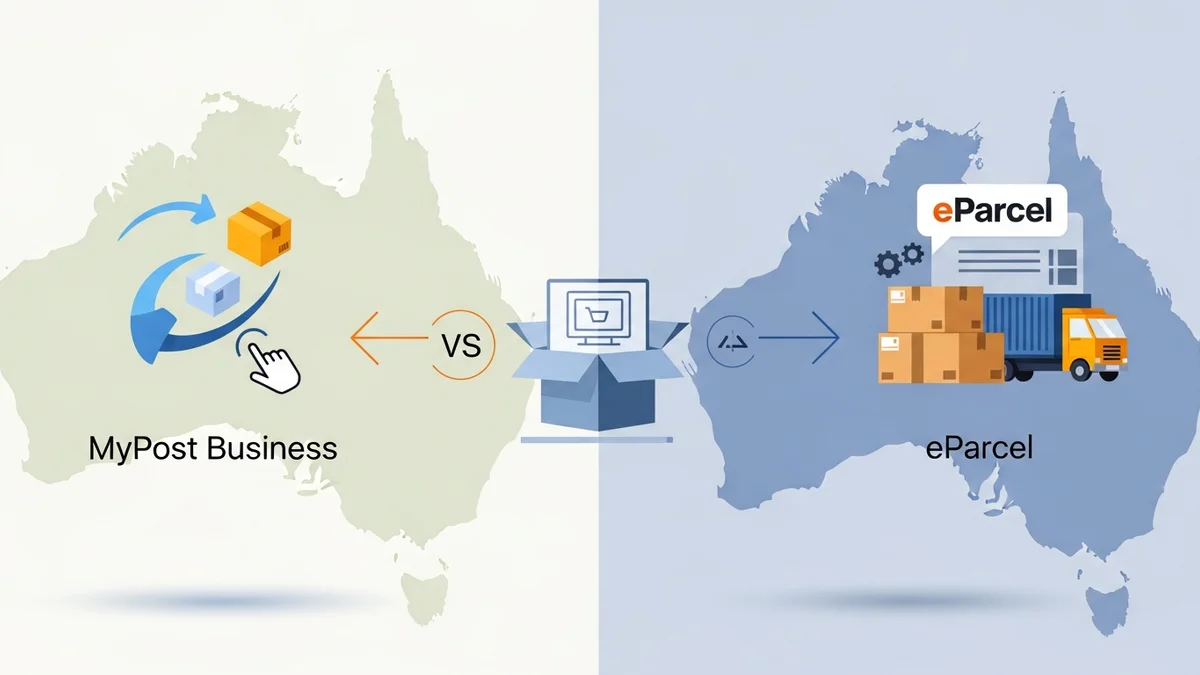
Understanding Australia Post Business Accounts: MyPost Business vs. eParcel
Initially, many small WooCommerce stores might use standard retail postage or a MyPost Business account. MyPost Business offers convenience for lower volumes, providing some discounts and streamlined label printing without complex integrations. However, as your store grows, its limitations become apparent.
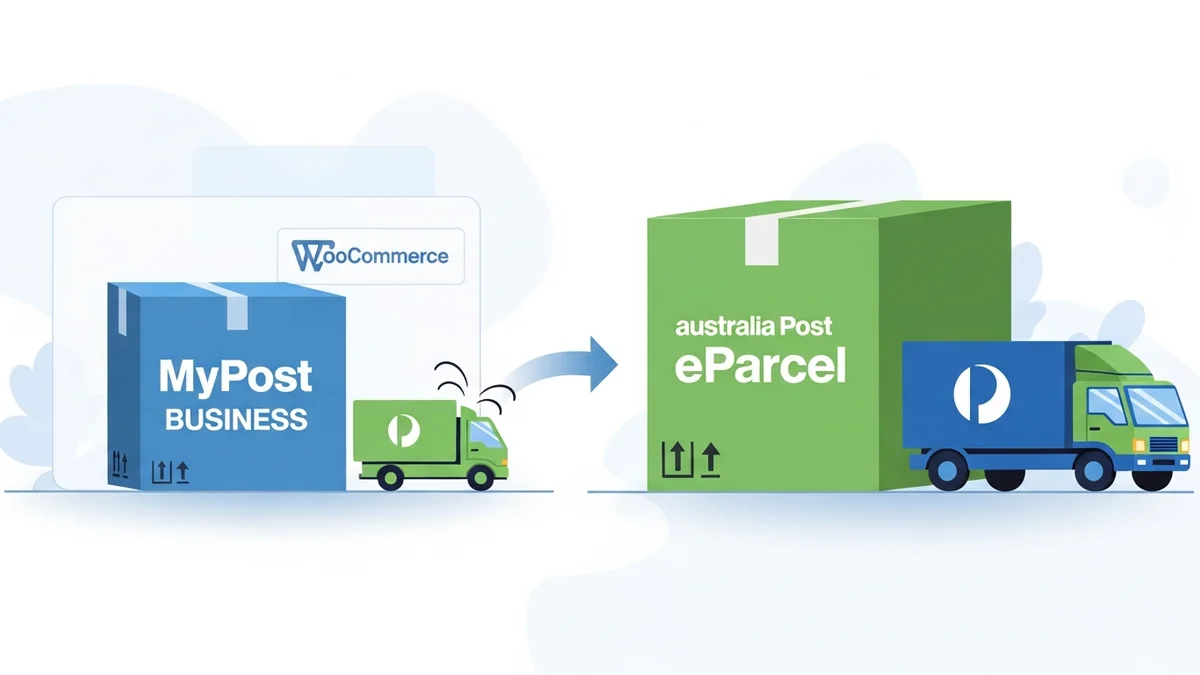
The true gateway to better rates lies with an Australia Post eParcel account. eParcel is designed for businesses with higher shipping volumes, offering significantly better rates, comprehensive tracking, and robust integration options. Transitioning from MyPost Business to eParcel is a clear indicator that your store is maturing and ready for more sophisticated shipping management and cost optimisation.
The Core Principle: Volume Dictates Rates
Australia Post's pricing structure is largely volume-based. The more parcels you send, the better rates you can access. This isn't just about reaching a certain number of parcels; it's about consistently demonstrating that volume over time. Australia Post categorizes businesses into various tiers, each with its own pricing matrix, with the most competitive rates reserved for high-volume senders.
As your WooCommerce store expands, your shipping volume becomes your most powerful negotiating tool. Understanding your current and projected shipping volume is fundamental to advocating for better pricing and ensuring your business is placed in the most advantageous tier possible. This requires meticulous tracking and analysis of your shipping data.
Strategies for Optimising Your Australia Post Rates
1. Monitor and Track Your Shipping Volume Meticulously
You can't negotiate effectively without data. Implement systems to accurately track your monthly and annual shipping volume, including parcel count, average weight, and common destination zones. This data provides concrete evidence of your business's scale and growth trajectory.
- Why it matters: Clear, quantifiable data empowers your negotiations. Australia Post representatives will assess your eligibility for better rates based on verifiable volume. Projections based on historical growth can also strengthen your case.
2. Consolidate Your Shipping Volume
If you operate multiple WooCommerce stores, sell on various marketplaces, or manage a combination of B2C and B2B shipping, consolidate all your outgoing parcels under a single Australia Post eParcel account. This aggregates your total volume, pushing you into higher discount tiers faster.
- Why it matters: Australia Post views your total aggregated volume as a single entity. Combining all shipments maximizes your chances of reaching the volume thresholds required for significant rate reductions.
3. Proactively Engage with Australia Post for Rate Reviews
Don't wait for Australia Post to contact you. Once you notice a sustained increase in your shipping volume (e.g., 20-30% year-over-year growth, or consistently exceeding a certain number of parcels per month), reach out to your account manager or the Australia Post business support team.
- Why it matters: Proactive engagement demonstrates your commitment to optimising costs and signals that your business is growing. It opens the door for a formal rate review, where you can present your volume data and negotiate for better terms.
4. Leverage Technology for Shipping Management and Data Aggregation
Modern shipping solutions, often integrated with WooCommerce, can be invaluable. These platforms not only streamline label creation and tracking but also provide robust reporting on your shipping metrics. Some platforms even offer pre-negotiated rates that small to medium businesses can access, potentially better than what they could achieve individually.
- Why it matters: Automation reduces operational costs, while comprehensive reporting provides the data needed for negotiation. Some third-party shipping platforms can also give you immediate access to competitive rates by aggregating volume from many businesses.
5. Understand and Optimise Your Service Choices
Australia Post offers various services like Parcel Post, Express Post, Registered Post, and different satchel options. Each comes with a distinct price point. Analyze your customer base and product types to determine if every parcel truly requires the fastest or most premium service. For instance, some items might be perfectly fine with standard Parcel Post, freeing up budget.
- Why it matters: Matching the shipping service to customer expectations and product value can significantly reduce costs without compromising service quality. Over-servicing is a common, costly mistake.
6. Optimise Packaging to Minimise Dimensional Weight
Shipping costs are often calculated based on either the actual weight or the "dimensional weight" (volume), whichever is greater. Using oversized boxes for small items can lead to higher charges due to dimensional weight. Invest in efficient packaging materials and right-sized boxes.
- Why it matters: Efficient packaging directly impacts your shipping costs. Reducing parcel dimensions can prevent unnecessary surcharges, especially for lightweight but bulky items.
7. Understand Surcharges and Avoid Them
Be aware of common surcharges, such as those for dangerous goods, remote area delivery, or incorrectly declared weights/dimensions. Ensure your packaging and declarations are always accurate to avoid unexpected costs.
- Why it matters: Surcharges can quickly erode any rate savings. Implementing strict internal processes for packaging and declaration accuracy is essential for cost control.
8. Negotiate Beyond Standard Tiers for Very High Volume
For WooCommerce stores reaching very high volumes (e.g., thousands of parcels per month), you might qualify for custom rate agreements. These bespoke contracts are tailored to your specific shipping profile and can offer significantly better pricing than standard published tiers.
- Why it matters: Custom agreements represent the pinnacle of rate optimisation. They provide the most competitive pricing, reflecting your status as a significant partner for Australia Post. This often comes with a dedicated account manager providing personalised support.
When to Re-evaluate Your Rates
Rate optimisation isn't a one-time task. As your WooCommerce store continues to grow and evolve, so should your approach to shipping costs. Consider re-evaluating your Australia Post rates at the following intervals:
- Annually: Schedule a yearly review of your shipping costs and volume to ensure you're always on the best possible terms.
- After Significant Growth Spikes: If your monthly order volume jumps significantly and sustains that level for a few months, it's time to request a review.
- Changes in Product Mix: If you introduce new product lines that drastically alter the average weight or dimensions of your parcels, a rate re-evaluation may be beneficial.
- Before Peak Seasons: Proactively negotiate better rates before major sales events like Black Friday or Christmas to maximize profitability during high-volume periods.
Related Articles
Continue your learning with these related resources:
- The Complete Guide to Managing Australia Post Shipping for Your WooCommerce Store (Comprehensive Guide)
- How Volumetric Weight Affects Your Australia Post Costs for WooCommerce Shipments
- Return to Sender vs. Abandon: Optimizing Australia Post Undeliverable Options for WooCommerce
- How to Reduce Packaging Weight to Lower Your Australia Post Costs for WooCommerce Orders
- Navigating Australia Post Dangerous Goods Rules for WooCommerce Stores
- How to Communicate Australia Post Delivery Delays to Your WooCommerce Customers
Conclusion
Optimising your Australia Post rates as your WooCommerce store grows is a continuous, proactive process. It moves beyond simply paying the published price to strategically leveraging your shipping volume, data, and direct communication with Australia Post. By meticulously tracking your shipments, consolidating volume, utilising smart technology, and understanding the nuances of packaging and service options, e-commerce managers can significantly reduce their shipping expenditure.
Taking control of your shipping costs directly impacts your business's profitability and competitive edge. Embrace these strategies to ensure that as your WooCommerce store flourishes, your shipping rates remain as lean and efficient as possible, contributing positively to your bottom line and overall ROI.