Introduction
In the dynamic world of e-commerce, customer returns are an inevitable part of doing business. While often viewed as a cost or an inconvenience, smart e-commerce managers recognise returns as a critical touchpoint – an opportunity to salvage a relationship, gather valuable feedback, and even cultivate a loyal, repeat customer. For WooCommerce merchants, the challenge lies in effectively leveraging this interaction.
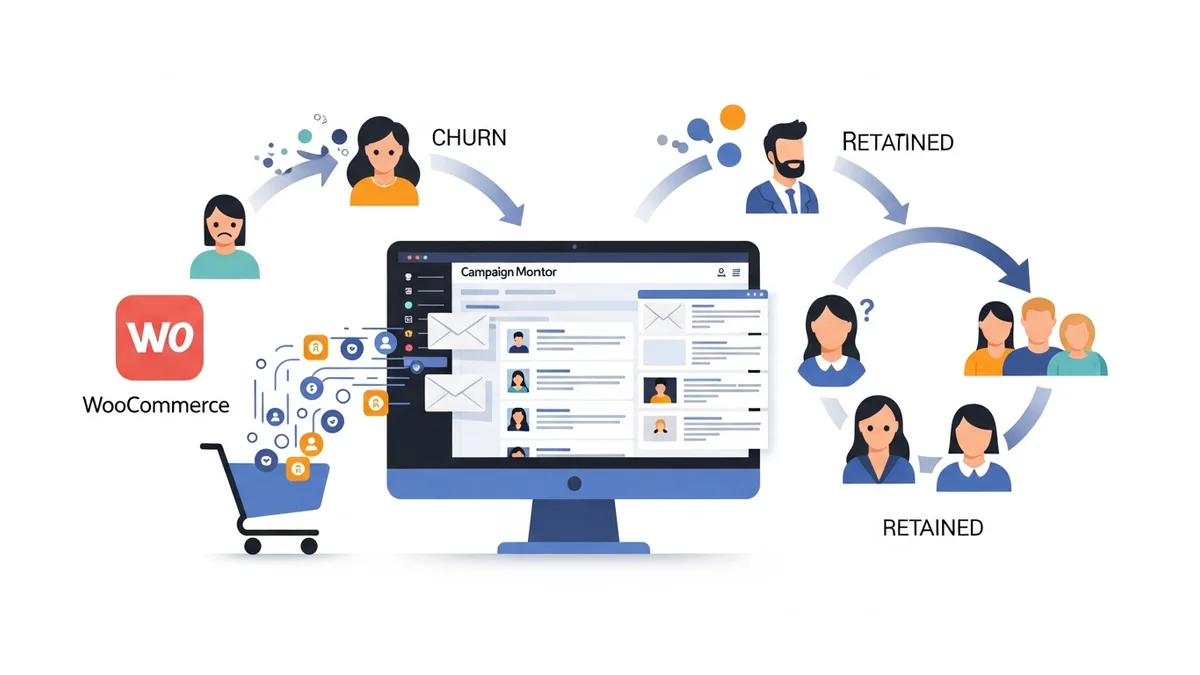
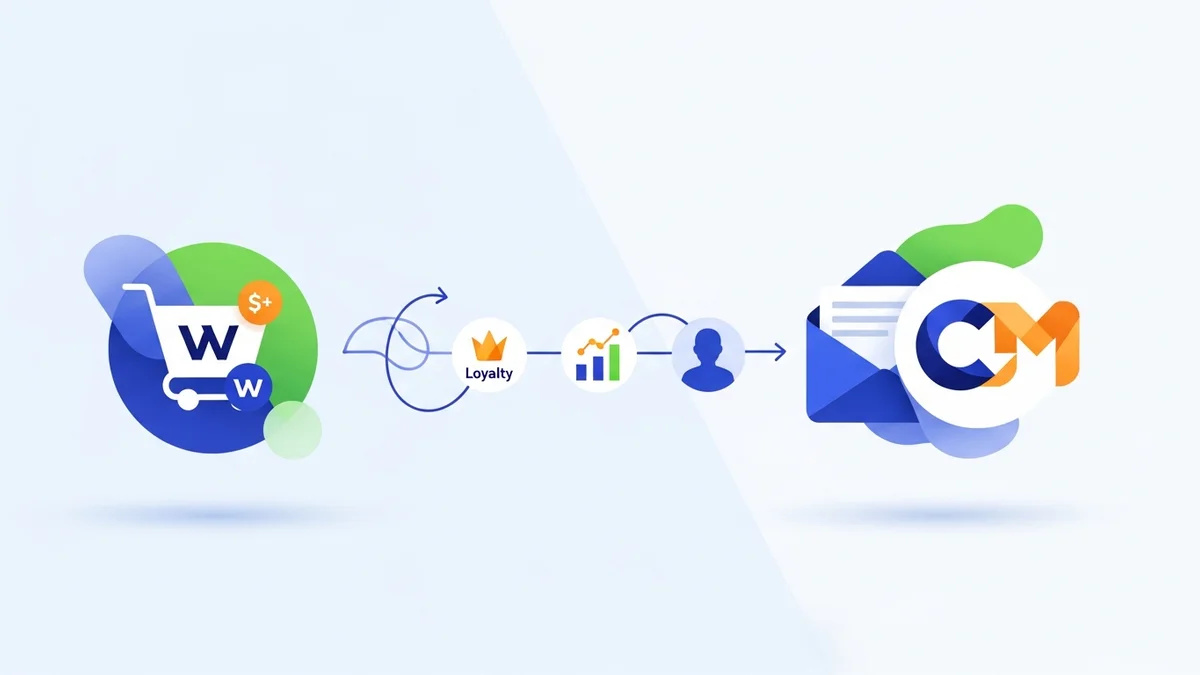
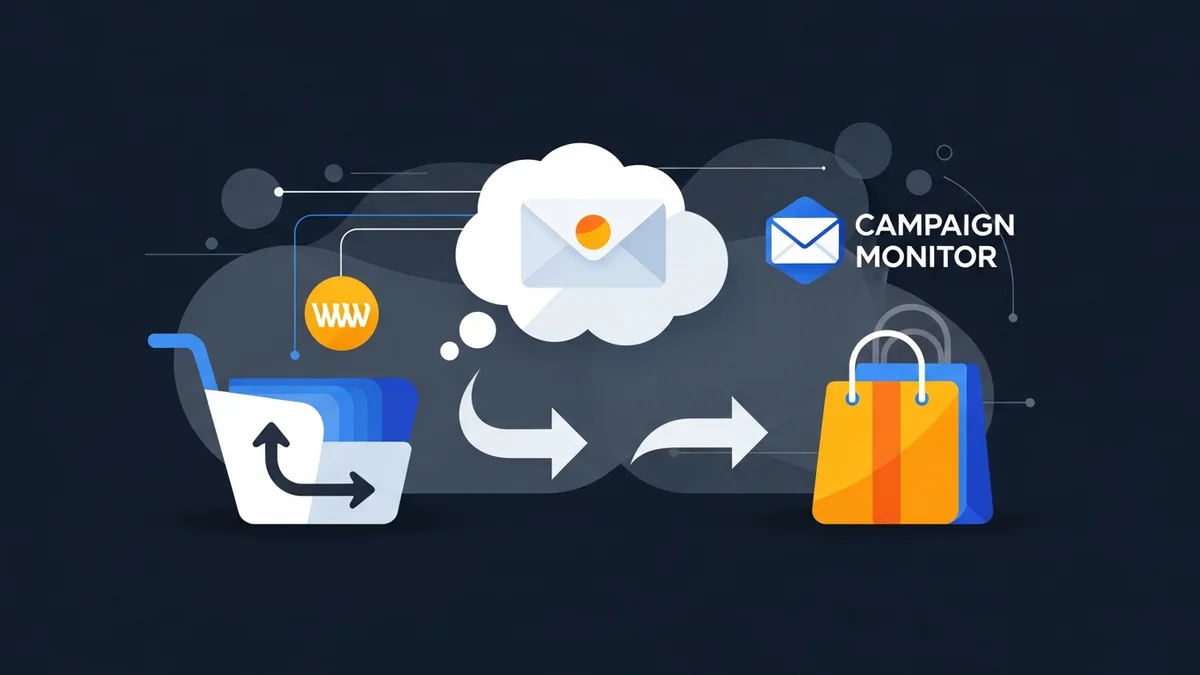
This article explores how integrating your WooCommerce store with Campaign Monitor, specifically by syncing detailed customer and return data, empowers you to transform a potentially negative return experience into a powerful customer retention strategy. By understanding why a customer returned an item, you can craft highly personalised email campaigns that re-engage, rebuild trust, and drive subsequent purchases.
The Reality of Returns: A Missed Opportunity or a Strategic Advantage?
Many businesses treat returns purely as a transactional process, focusing solely on the logistics of getting the product back and processing a refund or exchange. This reactive approach overlooks the immense potential to understand customer behaviour and reinforce brand loyalty. A customer who returns an item isn't necessarily a lost customer; they're often a customer who simply didn't find the right fit this time.
Consider the data behind returns: the product, the reason for return, the customer's overall value. Without a mechanism to capture, analyse, and act on this information, you're missing a significant opportunity. By shifting your perspective, returns become a rich source of insights that, when combined with a robust email marketing platform like Campaign Monitor, can fuel highly effective customer win-back and retention initiatives.
Leveraging Customer Data from WooCommerce to Campaign Monitor
The foundation of any successful returns-driven retention strategy is accurate and detailed data. A seamless integration between your WooCommerce store and Campaign Monitor is essential for automatically syncing customer information and crucially, return details. It's important to note that this integration primarily focuses on syncing customer profile data. While crucial for re-engagement, direct syncing of comprehensive order data beyond the return specifics, or granular engagement patterns is not part of the standard plugin functionality. This data provides the intelligence needed to segment your audience effectively and personalise your outreach.
Key Data Points to Sync for Returns Management:
- Customer Identifiers: Email address, name, customer ID.
- Order Details: Original order number, date, total value.
- Returned Product Information: SKU, product name, category, price, quantity.
- Return Reason: Critical for understanding customer sentiment (e.g., "too small," "defective," "changed mind," "not as described").
- Return Date: Marks the start of your re-engagement window.
- Refund/Exchange Status: Whether the customer received a refund or opted for an exchange.
- Customer Lifetime Value (LTV): To prioritise high-value customers.
By capturing these attributes within Campaign Monitor, you can build dynamic segments that allow for precision targeting. This moves beyond generic "sorry you returned something" emails to highly specific, empathetic, and actionable communications.
Crafting a Returns-Driven Retention Strategy with Campaign Monitor
Once your WooCommerce return data is flowing into Campaign Monitor, you can begin to design targeted email campaigns. The goal is to acknowledge the return, address the underlying issue, and present a compelling reason for the customer to shop with you again.
Segmenting Your Returned Customer Audience
Effective segmentation is paramount. Don't treat all returners the same way. Campaign Monitor allows you to create sophisticated segments based on various factors:
- First-time Returners vs. Repeat Returners: A first-time returner might need reassurance and a stronger incentive, while a repeat returner might indicate a deeper issue with product fit or brand perception that needs addressing.
- High-Value Returners vs. Low-Value Returners: Prioritise efforts for customers with high LTV, as their continued business significantly impacts your bottom line.
- Reason for Return: This is arguably the most crucial segmentation factor, enabling highly specific messaging.
- Product Category Returned: If they returned a particular type of product, they might be interested in alternatives within the same category or related items.
- Time Since Return: Timeliness is key for follow-up emails.
These segments form the basis for creating personalised customer journeys within Campaign Monitor's automation builder.
Post-Return Engagement Campaigns: Actionable Examples
Here are several targeted email campaigns you can implement using Campaign Monitor, each designed to address different return scenarios and drive repeat purchases:
1. The "We're Sorry, How Can We Help?" Email (General Follow-Up)
Purpose: Acknowledge the return, show empathy, and open a dialogue. This email should be sent shortly after the return is processed (e.g., 24-48 hours).
- Segmentation: All customers who have processed a return.
- Content: Express regret for the inconvenience, confirm the refund/exchange status, and offer to assist with finding a more suitable product. Include a direct link to customer service or a personalised product recommender.
- Actionable Tip: Use dynamic content to reference the specific item returned. "We understand the [Product Name] wasn't quite right for you."
2. The "Discovery" Email (for Fit/Style Issues)
Purpose: Turn a sizing or style mismatch into an opportunity to recommend alternatives. This is highly effective for apparel or accessories.
- Segmentation: Customers who returned an item due to "too small/large," "wrong colour," or "didn't like style."
- Content: Based on the returned item's category, suggest alternative sizes, similar styles, or complementary products. Include social proof (customer reviews) for recommended items.
- Actionable Tip: Offer a small incentive (e.g., 10% off their next purchase) to encourage them to try another item. "Let us help you find your perfect fit. Enjoy 10% off your next order."
3. The "Quality Assurance" Email (for Quality Issues)
Purpose: Rebuild trust and demonstrate your commitment to quality for customers who received a faulty or damaged item.
- Segmentation: Customers who returned an item due to "defective," "damaged," or "poor quality."
- Content: Sincerely apologise for the inconvenience and assure them that quality control measures are being reviewed. Offer a special discount or free upgrade on a future purchase, perhaps even for a different product line known for its reliability.
- Actionable Tip: Emphasise your brand's commitment to customer satisfaction. "We stand by our products. As a token of our apology, here's [Offer] on your next purchase."
4. The "Second Chance" Offer (for Buyer's Remorse/Wrong Item)
Purpose: Re-engage customers who returned an item due to a change of mind or an accidental order, prompting them to reconsider a purchase.
- Segmentation: Customers who returned an item due to "changed mind," "ordered wrong item," or "no longer needed."
- Content: Acknowledge their decision and offer a gentle nudge to revisit your store. This could be a limited-time discount, free shipping on their next order, or highlighting new arrivals they might find appealing.
- Actionable Tip: Create urgency with a time-sensitive offer. "Still looking for something special? Here's 15% off for the next 48 hours."
5. The "Feedback Loop" Email
Purpose: Gather valuable insights directly from the customer about their return experience and the product itself. This shows you value their opinion.
- Segmentation: All returners, perhaps 1-2 weeks after the return process is complete.
- Content: Ask for specific feedback via a short survey or a direct link to review the return process. Thank them for their time and explain how their feedback helps improve products and services.
- Actionable Tip: Keep the survey concise and offer an entry into a prize draw or a small discount for completion. "Your feedback helps us improve! Share your thoughts on your recent return."
6. The "Loyalty Re-engagement" Email (for High-Value Repeat Returners)
Purpose: For customers who frequently shop but also frequently return, a more personalised and perhaps exclusive approach is needed to cement loyalty.
- Segmentation: Customers with a high LTV and multiple returns over a specific period.
- Content: Acknowledge their loyalty and express a desire to ensure their satisfaction. This could involve a personal email from customer service, an invitation to a VIP programme, early access to new collections, or a bespoke styling consultation.
- Actionable Tip: Make them feel truly valued. "As a valued [Your Brand] customer, we want to ensure every purchase is perfect. Let us help you personally."
Personalisation at Scale with Campaign Monitor
The beauty of using Campaign Monitor with synced WooCommerce data is the ability to personalise these campaigns at scale. Dynamic content allows you to insert specific product names, return reasons, and personalised recommendations into your emails without manual effort for each customer. Automated customer journeys ensure that once a customer triggers a return event, they are automatically enrolled in the appropriate follow-up sequence, ensuring timely and relevant communication.
Measuring Success and Iterating
To ensure your returns-driven retention strategies are effective, continuous measurement and optimisation are crucial. Campaign Monitor provides robust analytics to track the performance of your email campaigns.
Key Metrics to Monitor:
- Open Rates: Indicates how compelling your subject lines are.
- Click-Through Rates (CTR): Shows engagement with your email content and offers.
- Conversion Rates: The percentage of recipients who made a subsequent purchase after receiving a return-related email.
- Repeat Purchase Rate (from Returned Customers): Track how many customers who initially returned an item eventually made another purchase. This is your ultimate ROI metric.
- Average Order Value (AOV) of Repeat Purchases: Are these customers spending more or less than their initial order?
- Customer Lifetime Value (LTV): Monitor the long-term value of customers who were re-engaged post-return.
Regularly A/B test different subject lines, call-to-actions, offer types, and email designs. For example, test whether a percentage discount or free shipping is more effective for "second chance" offers. Use these insights to refine your segments and improve campaign performance over time.
Best Practices for Returns-Based Email Marketing
- Timeliness is Key: Send follow-up emails promptly after a return is processed, but allow enough time for the refund/exchange to be confirmed.
- Empathy and Understanding: Always lead with empathy. Acknowledge the customer's experience and avoid making them feel at fault.
- Clear Call to Action (CTA): Make it obvious what you want the customer to do next, whether it's browsing new products, contacting support, or using a discount code.
- Brand Consistency: Ensure your emails reflect your brand's tone, voice, and visual identity.
- Mobile Optimisation: A significant portion of your audience will open emails on mobile devices, so ensure your designs are responsive.
- Don't Overdo It: While follow-up is important, avoid bombarding customers with too many emails post-return. A well-designed automated journey should have appropriate delays.
Real-World Impact and ROI
Implementing a sophisticated returns-driven retention strategy with WooCommerce and Campaign Monitor yields tangible business benefits. Beyond simply recovering a sale, you're investing in long-term customer relationships. Increased customer retention directly translates to higher Customer Lifetime Value (LTV), reduced customer acquisition costs (CAC), and improved brand perception. When customers feel heard and valued, even after a less-than-perfect experience, they are more likely to become advocates for your brand, fostering sustainable growth and profitability.
Related Articles
Continue your learning with these related resources:
- The Complete Email Marketing Guide for WooCommerce Stores Using Campaign Monitor (Comprehensive Guide)
- How to Run a Black Friday Email Campaign for Your WooCommerce Store in Campaign Monitor
- What Email List Opt-in Incentives Work Best for WooCommerce Stores
- How to Create a Win-Back Email Campaign for Lapsed WooCommerce Customers in Campaign Monitor
- How to Re-Engage WooCommerce Customers Who Never Opted in to Your Email List
- How to Reduce WooCommerce Customer Churn with Targeted Retention Emails in Campaign Monitor
Conclusion
Returns don't have to signify the end of a customer relationship; instead, they can be a powerful catalyst for building stronger loyalty. By intelligently syncing your WooCommerce return data with Campaign Monitor, e-commerce managers can move beyond transactional processing to proactive customer engagement. Crafting empathetic, personalised email campaigns based on return reasons and customer value allows you to re-engage, rebuild trust, and ultimately convert a potentially negative experience into a positive and profitable repeat purchase. Embrace returns not as a problem, but as an unparalleled opportunity for customer retention and sustained e-commerce success.