Introduction
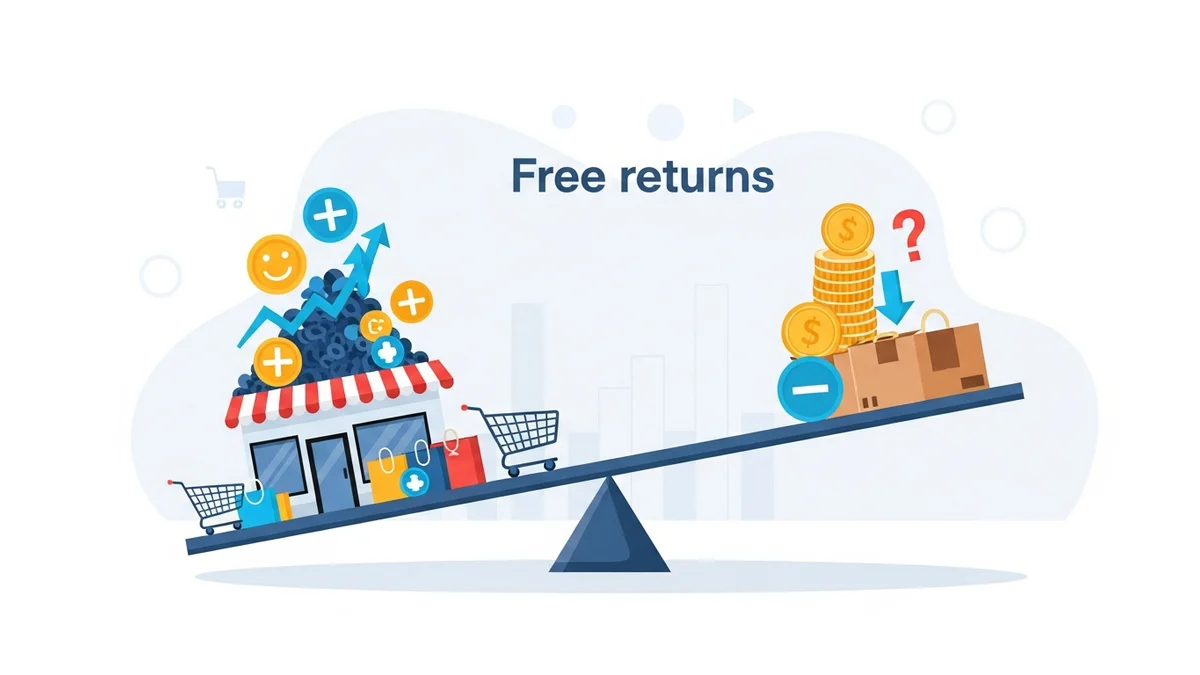
For any WooCommerce store, returns are an unavoidable part of doing business. While often viewed as a cost centre, an inefficient returns process can erode your profit margins significantly, impacting not just shipping costs but also labour, restocking, and potential inventory depreciation. E-commerce managers focussed on ROI and operational efficiency understand that mastering reverse logistics is critical for sustaining profitability.
This article provides actionable strategies and best practices for WooCommerce merchants to handle returns effectively. The goal is to minimize financial losses on each reverse shipment, reduce overall return rates, and even leverage the returns experience to build stronger customer loyalty.
Understanding the True Cost of Returns
Many e-commerce businesses only consider the shipping cost when calculating return expenses. However, the actual cost is far more extensive, encompassing a range of operational impacts that directly affect your bottom line. Recognizing these hidden costs is the first step toward building a truly profitable returns strategy.
Beyond Shipping: The Hidden Financial Drain
- Reverse Logistics Shipping: The direct cost of getting the product back to your warehouse. This can be significant, especially for heavier or bulkier items.
- Inspection and Processing Labour: Time spent by staff receiving, unpacking, inspecting, and processing returned items. This includes verifying condition, matching to orders, and initiating refunds or exchanges.
- Restocking Fees and Inventory Write-downs: Products may require repackaging, cleaning, or minor repairs before being restocked. If an item is returned damaged or unsaleable, it becomes a complete loss or requires significant discounting.
- Payment Processing Fees: Many payment gateways do not refund their transaction fees when a refund is issued, meaning you lose a percentage of the original sale.
- Lost Sales Opportunity: The returned item wasn't sold, and the customer may not purchase again if the return experience was negative.
- Environmental Impact: Increased carbon footprint from additional shipping, which can also impact brand perception for environmentally conscious customers.
For a WooCommerce store, these costs accumulate rapidly. Imagine a product with a 20% margin. If a return costs 10-15% of the product's value in hidden fees, a single return can wipe out the profit from multiple sales. Effective management is crucial to protect your profitability.
Proactive Strategies to Reduce Return Rates
The most effective way to save money on returns is to prevent them from happening in the first place. By implementing proactive measures directly within your WooCommerce store and communication channels, you can significantly reduce the likelihood of customers initiating a return.
Elevating Product Information and Clarity
- Accurate Product Descriptions: Provide comprehensive, truthful, and detailed descriptions. Include materials, dimensions, weight, and specific use cases. Avoid exaggeration that could lead to unmet expectations.
- High-Quality Imagery and Video: Invest in professional product photography from multiple angles. For complex items, consider 360-degree views or short video demonstrations to give customers a complete understanding. Show items in context (e.g., clothing on models of various sizes, furniture in a room).
- Precise Sizing Guides: Especially for apparel and footwear, detailed sizing charts are non-negotiable. Include measurements in inches and centimeters, and ideally, provide advice on how to measure accurately. Consider offering customer-submitted fit reviews.
- Transparent Product Specifications: List technical specs clearly for electronics, appliances, or specialized goods. This helps customers confirm compatibility and functionality before purchase.
Enhancing Customer Confidence and Setting Expectations
- Leverage Customer Reviews and Q&A: Encourage customers to leave detailed reviews, including photos. Implement a Q&A section on product pages, allowing potential buyers to ask specific questions and receive answers from both your team and previous purchasers. This builds trust and addresses common concerns proactively.
- Robust Pre-Purchase Support: Make it easy for customers to contact you with questions before buying. Integrate live chat or clearly display customer service contact information on product pages. Quick, accurate answers can prevent misinformed purchases.
- Manage Post-Purchase Communication: After a sale, provide helpful information. This could include care instructions, assembly guides, or tips for getting the most out of their purchase. Proactive support reduces user error returns.
By investing in these foundational elements on your WooCommerce store, you empower customers to make informed decisions, significantly cutting down on returns due to "not as expected" or "doesn't fit" reasons.
Optimizing Your WooCommerce Returns Process
Even with the best preventative measures, some returns are inevitable. The key is to manage these efficiently to minimize costs and maintain customer satisfaction. A well-structured returns process can protect your margins and even build loyalty.
Establishing a Clear and Fair Returns Policy
Your returns policy should be easy to find, easy to understand, and fair. Host it on a dedicated page in your WooCommerce store and link to it prominently in your footer and product pages. Clearly outline:
- Return Window: How many days do customers have to initiate a return (e.g., 30 days from delivery)?
- Eligibility Criteria: What condition must the item be in? Are certain items (e.g., final sale, personalized) non-returnable?
- Required Documentation: Do they need the original packaging, receipt, or order number?
- Refund vs. Exchange: Clearly state options for refunds, store credit, or exchanges.
- Return Shipping Costs: Who pays for return shipping, and under what circumstances?
Transparency builds trust and reduces customer service inquiries related to policy details.
Streamlining the Return Authorization (RMA) Process
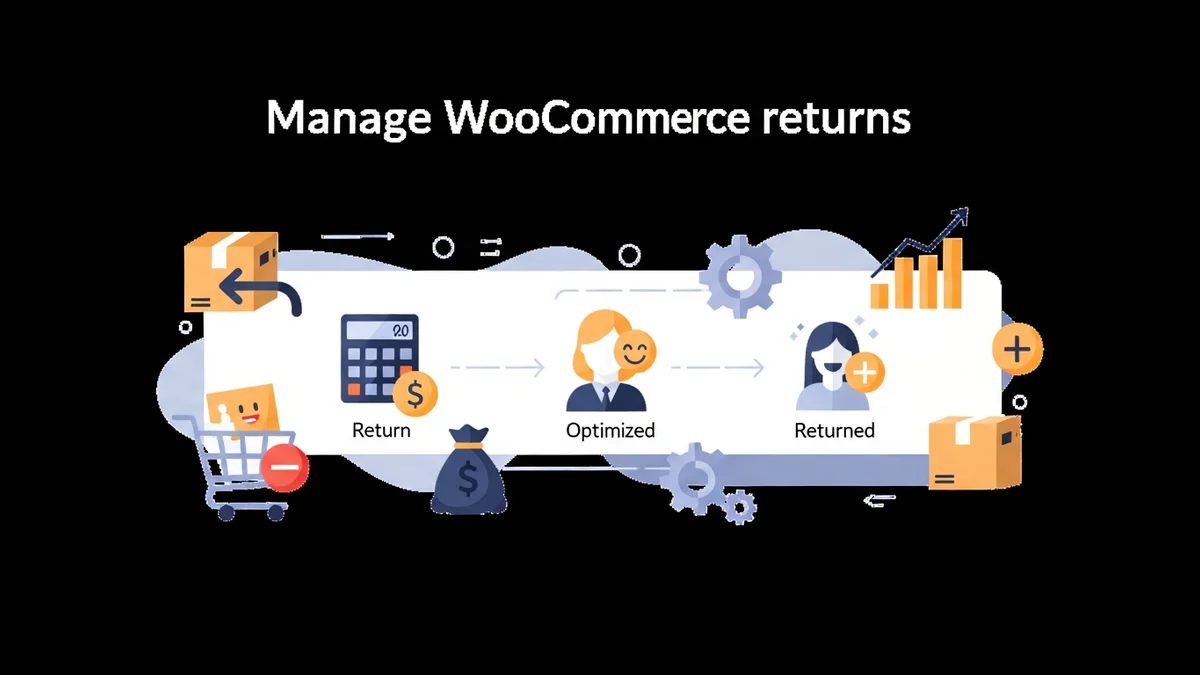
Automating your RMA process on WooCommerce is crucial for efficiency. Instead of manual email exchanges, consider a dedicated returns management plugin. This allows customers to:
- Initiate Returns Online: A self-service portal where customers can select items from their order history, specify a return reason, and choose their desired resolution (refund, exchange, store credit).
- Automated Approvals: Set rules for automatic approval based on return reasons or item type, reducing manual intervention.
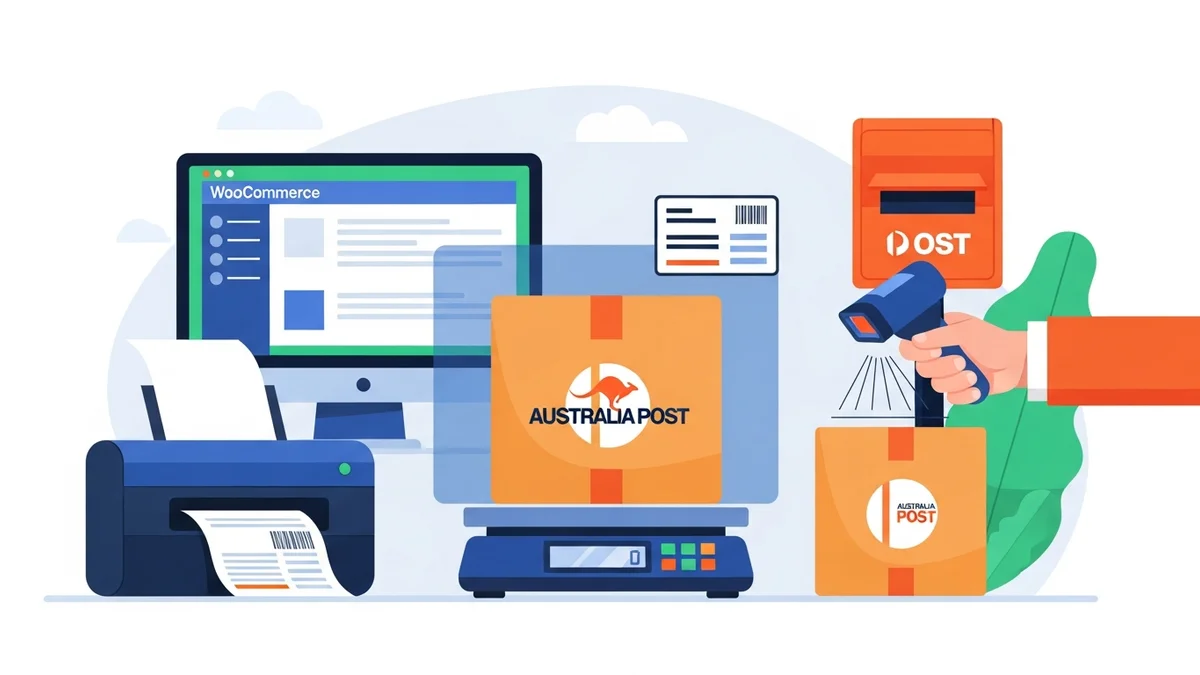
- Generate Return Labels: Integrate with shipping carriers to automatically generate pre-paid or customer-paid return shipping labels.
This reduces manual data entry, speeds up the process, and provides a professional experience for the customer.
Strategic Management of Return Shipping Costs
One of the biggest financial drains is reverse shipping. Develop a tiered approach to who covers this cost:
- Merchant-Funded Returns: Offer free return shipping for returns due to merchant error (e.g., wrong item shipped, damaged product). This is a customer service imperative and protects your brand reputation.
- Customer-Funded Returns: For "buyer's remorse" or "changed mind" returns, consider having the customer pay for return shipping. This helps offset your costs and can subtly discourage frivolous returns. Clearly state this in your policy.
- Deduct from Refund: An alternative to customer-funded shipping is to provide a pre-paid label but deduct the shipping cost from their refund. This is often preferred by customers for convenience.
For high-value or high-margin products, absorbing return shipping costs might be a strategic move to enhance customer loyalty. For lower-margin items, passing the cost to the customer is more financially sustainable.
Efficient Inspection, Restocking, and Disposition
Once a return arrives, a swift and accurate process is essential:
- Dedicated Returns Station: Establish a clear workflow in your warehouse or fulfilment centre for processing returned goods.
- Thorough Inspection: Train staff to inspect items carefully for condition, completeness, and signs of use. Document findings, especially for damaged items.
- Rapid Restocking: If an item is in sellable condition, restock it quickly into your WooCommerce inventory to minimize "dead stock" and make it available for sale again.
- Strategic Disposition: For damaged or unsellable items, have a clear strategy: salvage components, donate, liquidate, or responsibly dispose. Avoid letting unsellable inventory accumulate.
Integrating your returns process with your inventory management system ensures real-time updates, preventing overselling or holding valuable stock offline unnecessarily.
Leveraging Data Analytics to Drive Improvements
Every return is a data point. Use analytics to understand why products are being returned:
- Track Return Reasons: Categorize return reasons (e.g., "too small," "defective," "not as pictured").
- Identify Problem Products: Pinpoint specific products or categories with unusually high return rates. This data can inform product development, supplier selection, or website content improvements.
- Analyze Customer Segments: Are certain customer groups returning more? This might indicate a mismatch in product targeting.
WooCommerce reporting tools, combined with dedicated returns management plugins, can provide invaluable insights to continuously refine your product offerings and customer experience.
Turning Returns into a Loyalty Driver
While returns are a cost, they also represent a critical touchpoint in the customer journey. A well-executed returns experience can transform a potentially negative interaction into an opportunity to build lasting customer loyalty.
Empathy and Exceptional Customer Service
Approach every return interaction with empathy and a problem-solving mindset. Even if the customer is at fault, a positive and professional attitude can defuse frustration. Train your customer service team to:
- Listen Actively: Understand the customer's issue without immediately pushing back.
- Offer Solutions: Propose exchanges, store credit, or alternative products before a full refund if appropriate.
- Communicate Clearly: Keep customers informed about the status of their return and refund process.
A smooth, respectful returns process can be more memorable than a perfect purchase, fostering trust and encouraging future business.
Incentivizing Exchanges and Store Credit
When a customer wants to return an item, offering an exchange or store credit instead of a full refund can be a powerful way to retain revenue. You might:
- Offer a Bonus: Provide a small bonus (e.g., 10% extra) on store credit to encourage them to keep their spending with you.
- Free Return Shipping: Cover return shipping costs if the customer opts for an exchange or store credit, making it a more attractive option.
This strategy keeps money within your ecosystem and gives customers another chance to find a product they love.
Closing the Loop: Using Feedback for Continuous Improvement
Every return reason is a piece of valuable feedback. Use this information to:
- Improve Product Pages: If "colour not as pictured" is common, update your product photography or add disclaimers about screen variations.
- Refine Product Quality: If "defective" is frequent, review your quality control processes or supplier relationships.
- Enhance Post-Purchase Support: If "difficult to use" is common, create better instruction manuals or video tutorials.
Proactively addressing the root causes of returns demonstrates that you value customer feedback and are committed to improving their experience, reinforcing loyalty.
Leveraging Technology for Smart Returns Management in WooCommerce
WooCommerce's flexibility allows for powerful integrations that can automate and optimize your returns process, turning it into a competitive advantage rather than a burden.
Returns Management Plugins and Integrations
A dedicated returns management plugin for WooCommerce is invaluable. These tools often provide:
- Self-Service Return Portals: Allow customers to initiate returns directly from their account, reducing manual intervention.
- Automated RMA Generation: Assign unique return merchandise authorization numbers and manage their lifecycle.
- Integrated Shipping Labels: Generate return labels with preferred carriers directly from the plugin.
- Status Tracking: Keep customers informed about their return progress (received, inspected, refunded).
- Conditional Logic: Set rules for automatic approval, exchange offers, or refund options based on return reason, item value, or customer history.
Popular options integrate seamlessly with WooCommerce orders and customer data, creating a unified workflow.
Seamless Inventory Management Integration
Ensure your returns system communicates directly with your inventory management. When an item is returned and deemed resalable, it should be automatically re-added to your available stock in WooCommerce. This prevents:
- Lost Sales: Items sitting in a "returns pile" instead of being available for purchase.
- Inaccurate Stock Levels: Selling an item you don't actually have, leading to customer frustration and potential cancellations.
Real-time inventory updates mean your WooCommerce store always reflects accurate stock, improving customer satisfaction and operational efficiency.
Advanced Analytics and Reporting
Many returns management solutions offer detailed analytics beyond basic WooCommerce reports. Look for features that allow you to:
- Visualize Return Trends: Spot patterns in return reasons, product categories, or timeframes.
- Calculate Return Costs: Understand the true financial impact of returns on specific products or overall.
- Measure Performance: Track metrics like average return processing time, percentage of exchanges vs. refunds, and impact on customer lifetime value.
These insights empower e-commerce managers to make data-driven decisions that reduce return rates, optimize processes, and protect profit margins.
Related Articles
Continue your learning with these related resources:
- The Complete Guide to Managing Australia Post Shipping for Your WooCommerce Store (Comprehensive Guide)
- How Volumetric Weight Affects Your Australia Post Costs for WooCommerce Shipments
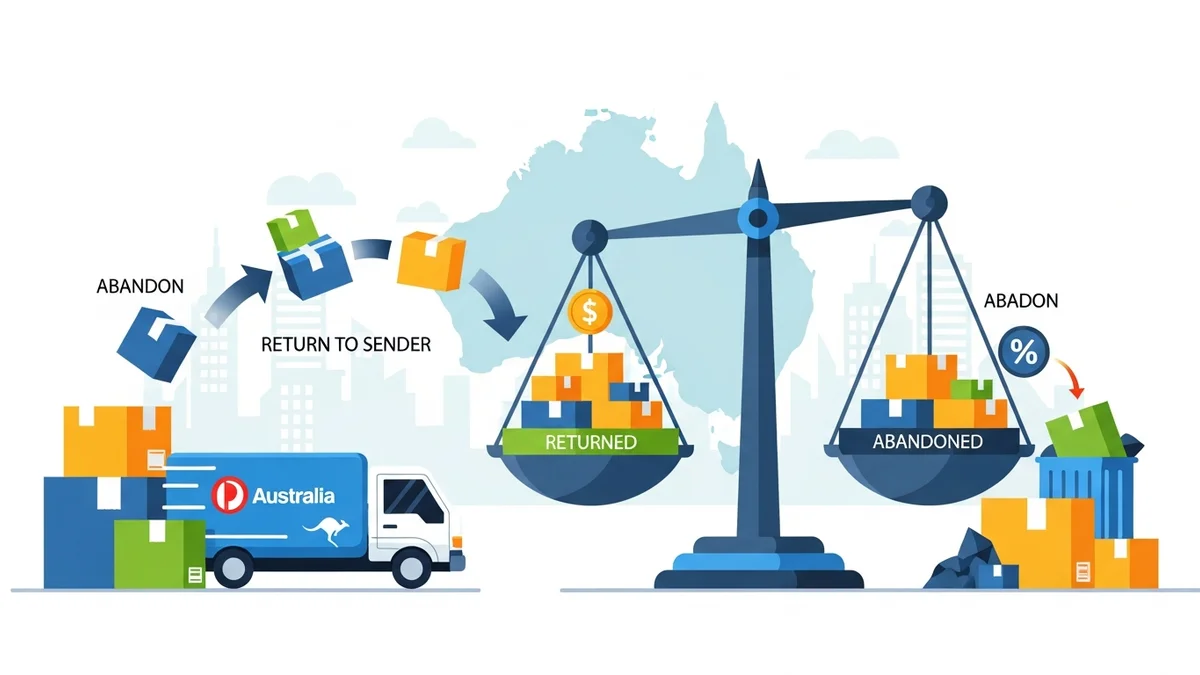
- Return to Sender vs. Abandon: Optimizing Australia Post Undeliverable Options for WooCommerce
- How to Reduce Packaging Weight to Lower Your Australia Post Costs for WooCommerce Orders
- Navigating Australia Post Dangerous Goods Rules for WooCommerce Stores
- How to Communicate Australia Post Delivery Delays to Your WooCommerce Customers
Conclusion
Handling WooCommerce returns profitably requires a strategic, multi-faceted approach. By implementing proactive measures to reduce return rates, optimizing your reverse logistics workflow with technology, and leveraging the customer interaction to build loyalty, you can transform returns from a costly headache into a managed, even value-driving, aspect of your e-commerce business.
E-commerce managers who prioritize a clear, efficient, and customer-centric returns process not only protect their profit margins but also enhance their brand reputation and foster long-term customer relationships. Invest in your returns strategy – it's an investment in your store's sustained growth and profitability.