Introduction
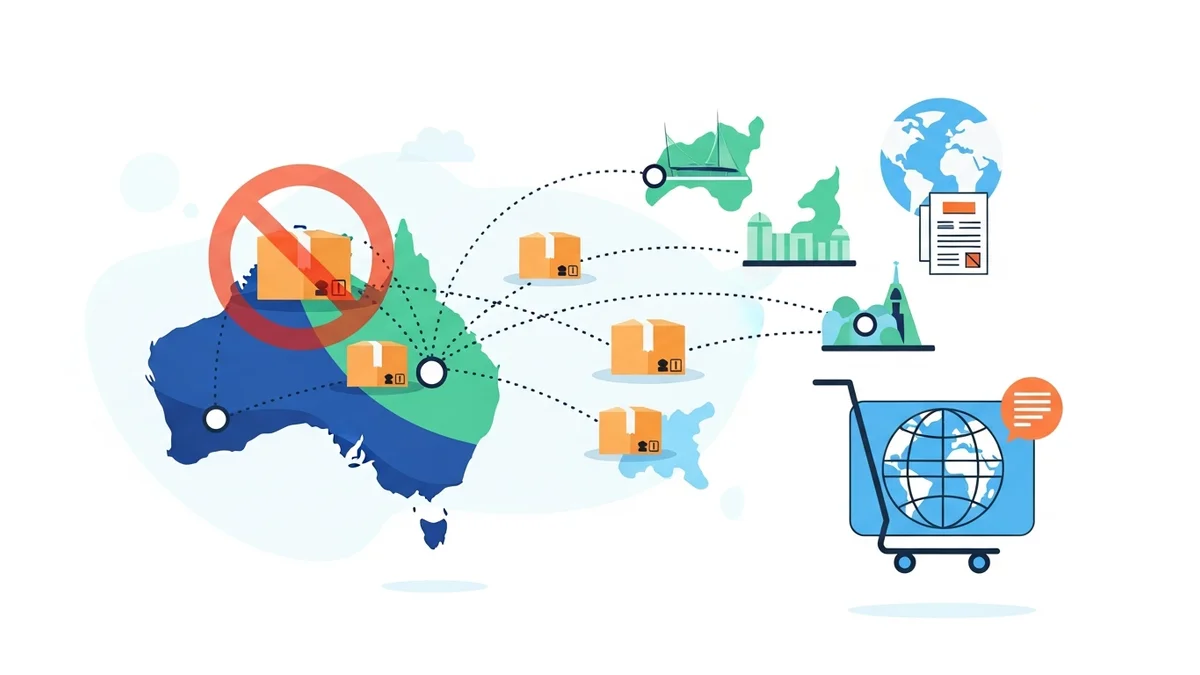
Running a successful WooCommerce store involves more than just selling great products; it also means getting them to your customers safely and legally. For many Australian online businesses, Australia Post is the go-to shipping partner. However, shipping certain items, known as "dangerous goods," comes with strict rules that every merchant must understand.
Ignoring these regulations can lead to severe consequences, including hefty fines, parcel delays, confiscation, and even serious safety risks. This comprehensive guide will walk you through what WooCommerce merchants need to know about Australia Post's dangerous goods rules, ensuring your shipping practices are fully compliant.
Understanding Dangerous Goods: What Are They?
In simple terms, "dangerous goods" are items or substances that could pose a risk to health, safety, property, or the environment when transported. These aren't just explosives or highly corrosive materials; many everyday items commonly sold online can fall under this category.
Australia Post, like other carriers, classifies dangerous goods based on international standards set by bodies such as the International Air Transport Association (IATA) for air freight and the International Maritime Organisation (IMO) for sea freight. While these might sound technical, the core idea is to identify and manage risks during transit.
Common Dangerous Goods Categories for E-commerce
Dangerous goods are grouped into nine classes, each with specific handling requirements. For WooCommerce stores, you'll most commonly encounter items from these categories:
- Class 2: Gases (e.g., aerosols, some fire extinguishers)
- Class 3: Flammable Liquids (e.g., perfumes, nail polish, hand sanitizers, paints, solvents)
- Class 4: Flammable Solids (less common for e-commerce, but includes matches)
- Class 5: Oxidizing Substances and Organic Peroxides (e.g., some hair bleaches, pool chemicals)
- Class 6: Toxic and Infectious Substances (e.g., some pesticides, medical samples – generally not permitted by Australia Post for retail customers)
- Class 8: Corrosives (e.g., some cleaning products, car batteries with acid)
- Class 9: Miscellaneous Dangerous Goods (e.g., lithium batteries, dry ice, magnetized materials, environmentally hazardous substances)
It's crucial to remember that even small quantities of these items can be classified as dangerous goods. The key is to correctly identify your products and follow the rules.
Australia Post's Domestic Dangerous Goods Rules
Shipping within Australia via Australia Post means adhering to their specific guidelines for dangerous and prohibited goods. These rules differentiate between items that are completely forbidden and those that are restricted but can be sent under specific conditions.
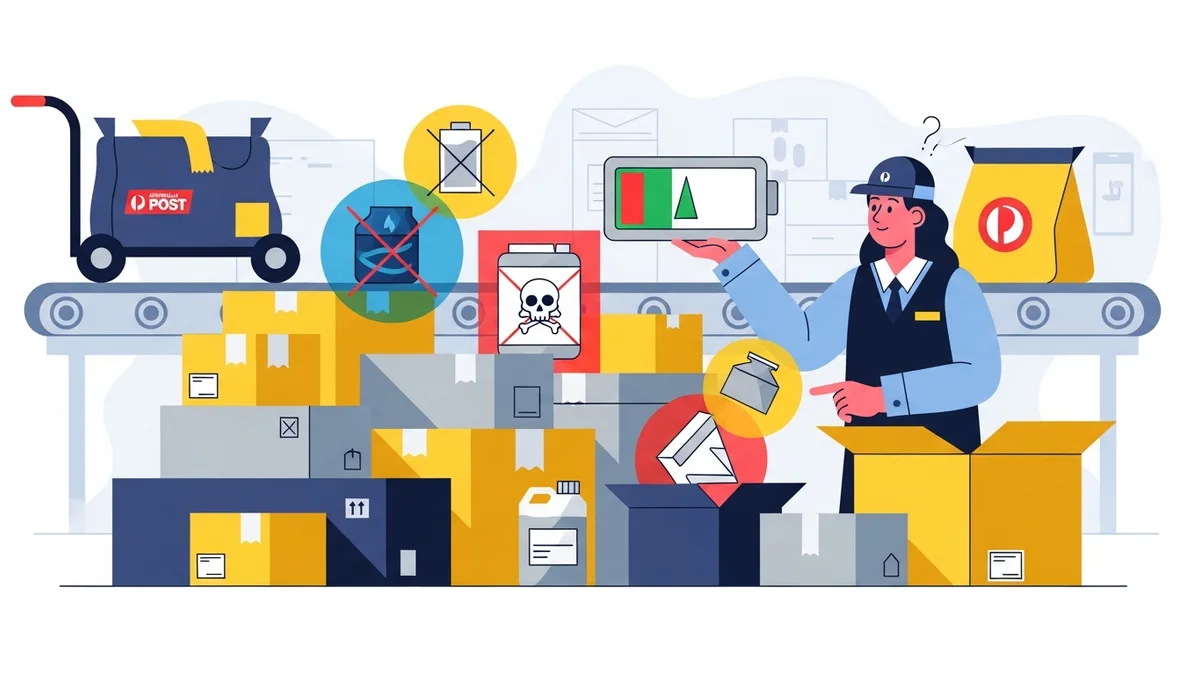
Prohibited Items (Cannot Be Sent)
Australia Post prohibits sending certain dangerous goods completely, both domestically and internationally. These items pose an unacceptable risk during transit. Examples include:
- Explosives (e.g., fireworks, ammunition)
- Flammable gases (e.g., butane lighters, propane cylinders)
- Corrosive liquids (e.g., strong acids, some industrial cleaners)
- Toxic substances (e.g., poisons, some pesticides)
- Infectious substances (e.g., biological samples)
- Radioactive materials
- Illicit substances
If your WooCommerce store sells any of these items, you cannot ship them via Australia Post. You would need to explore specialized dangerous goods freight carriers, which often have higher costs and more complex requirements.
Restricted Items (Can Be Sent Under Conditions)
Many common e-commerce products fall into the "restricted" category. This means you can send them, but only if you meet specific packaging, labelling, quantity, and documentation requirements. Failing to meet these conditions means the item is treated as prohibited.
Practical Example: Shipping a Smartphone Domestically
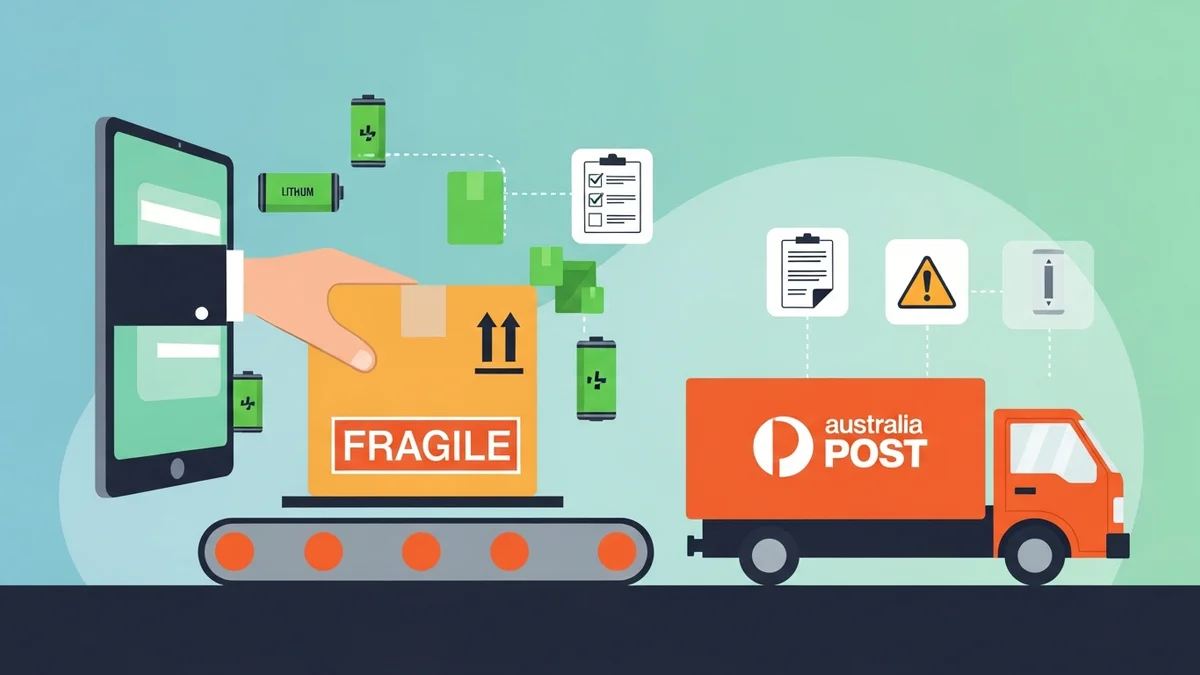
A smartphone contains a lithium-ion battery (Class 9 dangerous good). While lithium batteries are restricted, you can usually send a smartphone domestically via Australia Post if:
- The battery is installed in the device.
- The device is properly protected from short circuits (e.g., in its original packaging or a sturdy box).
- The packaging prevents accidental activation.
- The parcel is within Australia Post's quantity limits for consumer electronics.
- The parcel is correctly labelled with the appropriate warning labels (e.g., "Lithium Battery" warning).
Practical Example: Shipping Hand Sanitizer Domestically
Many hand sanitizers contain alcohol, making them a flammable liquid (Class 3 dangerous good). You can typically ship small quantities domestically if:
- The volume per item and total volume per parcel are within Australia Post's limits (e.g., often up to 500ml per item, total 2L per parcel).
- The container is leak-proof and securely sealed.
- The item is packed in sturdy outer packaging with absorbent material to prevent leakage.
- The parcel is clearly marked as containing "flammable liquid" or "ID8000 Consumer Commodity" (if applicable for air transport and within limits).
Always check the latest Australia Post guidelines for precise limits and labelling requirements, as these can change.
International Shipping & Dangerous Goods
Shipping dangerous goods internationally adds another layer of complexity. Not only do you need to comply with Australia Post's export rules, but also with the import regulations of the destination country and international air or sea freight regulations (IATA/IMO).
Customs Declarations and Dangerous Goods
For all international parcels, you must complete a customs declaration (typically CN22 or CN23). This document requires you to accurately describe the contents and their value. When shipping dangerous goods, even restricted ones, it's vital to declare them correctly.
- Clear Description: Instead of "Cosmetics," specify "Perfume (Flammable Liquid)" or "Lithium Battery Powered Device."
- Harmonized System (HS) Codes: While not always mandatory for small parcels, knowing the correct HS code for your products, including dangerous goods, can help customs clearance.
- Supporting Documentation: For some international dangerous goods shipments, a Shipper's Declaration for Dangerous Goods might be required in addition to the customs form.
Failure to accurately declare dangerous goods on customs forms can lead to severe penalties, parcel confiscation, and delays. Some countries have outright bans on specific items that Australia Post might allow domestically, so research is critical.
Destination Country Rules
Before shipping any potentially dangerous item internationally, always check the import restrictions of the destination country. What's allowed into New Zealand might be prohibited in the United States or the UK. This often requires checking the customs website of the destination country or consulting with your chosen carrier.
Common Dangerous Goods for WooCommerce Stores (and How to Handle Them)
Let's dive into some specific categories of dangerous goods frequently encountered by WooCommerce merchants and outline how to manage them compliantly.
Lithium Batteries (Class 9)
Lithium batteries are ubiquitous in modern electronics, from smartphones and laptops to power tools and e-bikes. Their potential to overheat or catch fire if damaged makes them a significant concern for transport. Australia Post has very specific rules for these.
- Installed in Equipment: Batteries already inside a device (like a phone or laptop) are generally easier to ship. They must be protected from short circuits and accidental activation. Quantity limits apply.
- Packed with Equipment: Spare batteries packed in the same box as the equipment they power are also often allowed, provided they are in protective packaging (e.g., individual plastic bags or original retail packaging).
- Standalone Batteries: Shipping loose lithium batteries (e.g., power banks, spare camera batteries) is much stricter and often prohibited or heavily restricted, especially for air transport. Check specific Australia Post guidelines carefully.
- Labelling: Proper labelling, including the Class 9 dangerous goods label, UN number (e.g., UN3481 for lithium-ion batteries in equipment), and a "Lithium Battery" warning label, is often required for international shipments and some domestic restricted items.
Flammable Liquids & Aerosols (Class 2 & 3)
This category includes a wide range of products like perfumes, nail polish, hand sanitizers, some cleaning sprays, and aerosol deodorants.
- Quantity Limits: Strict limits apply to the volume of flammable liquids per container and per parcel. For example, a small perfume bottle might be allowed, but a large bottle of industrial solvent would not be.
- Packaging: Containers must be securely sealed to prevent leakage. They should be placed in sturdy outer packaging with sufficient absorbent material (e.g., vermiculite, paper towels) to contain any spills.
- Venting & Pressure: Aerosols (Class 2.1 Flammable Gas) must have a release valve protected from accidental activation.
- Labelling: For domestic parcels, items within certain limits may fall under "Consumer Commodity" rules, requiring specific labelling (like ID8000 for air freight). International shipments will require a Class 3 Flammable Liquid label and potentially a Class 2.1 Flammable Gas label for aerosols.
Cosmetics & Toiletries
Many beauty products contain alcohol (flammable liquid) or other restricted ingredients. Examples include:
- Perfumes and Colognes: Often alcohol-based, making them Class 3 flammable liquids.
- Nail Polish Remover: Can contain acetone, a flammable liquid.
- Hair Sprays and Deodorants: Often aerosols (flammable gases).
- Some Skincare Products: May contain alcohol or other restricted chemicals.
Always review the ingredients list and Material Safety Data Sheets (MSDS), if available from your supplier, to identify potential dangerous goods. When in doubt, assume it's restricted and check Australia Post's guidelines.
Magnets (Class 9)
While not immediately obvious, strong magnets can interfere with aircraft navigation systems and are therefore classified as Class 9 miscellaneous dangerous goods. If your WooCommerce store sells items with strong magnets (e.g., some speakers, craft magnets, magnetic toys), you need to be aware of the specific packaging and shielding requirements to prevent interference.
Packaging, Labelling, and Documentation Requirements
Correct packaging, labelling, and documentation are not just formalities; they are critical safety measures that prevent accidents and ensure compliant transportation of dangerous goods.
Packaging
- Sturdy Outer Packaging: Use strong, rigid boxes that can withstand the rigours of transit.
- Internal Protection: Items must be securely placed to prevent movement. Use cushioning materials like bubble wrap, foam, or crumpled paper.
- Leak Prevention: For liquids, ensure containers are leak-proof. Place items in sealed plastic bags, and use absorbent material to contain any potential spills.
- Ventilation: Some dangerous goods require specific ventilation, though this is rare for typical e-commerce items.
Labelling
Labels communicate critical information to handlers and emergency services. Australia Post provides specific guidelines on required labels.
- Dangerous Goods Class Labels: Diamond-shaped labels indicating the class of dangerous good (e.g., Class 3 for flammable liquids, Class 9 for lithium batteries).
- The Complete Guide to Managing Australia Post Shipping for Your WooCommerce Store (Comprehensive Guide)
- How Volumetric Weight Affects Your Australia Post Costs for WooCommerce Shipments
- Return to Sender vs. Abandon: Optimizing Australia Post Undeliverable Options for WooCommerce
- How to Reduce Packaging Weight to Lower Your Australia Post Costs for WooCommerce Orders
- How to Communicate Australia Post Delivery Delays to Your WooCommerce Customers
- How to Handle WooCommerce Returns Without Losing Money on Each Reverse Shipment
Related Articles
Continue your learning with these related resources: